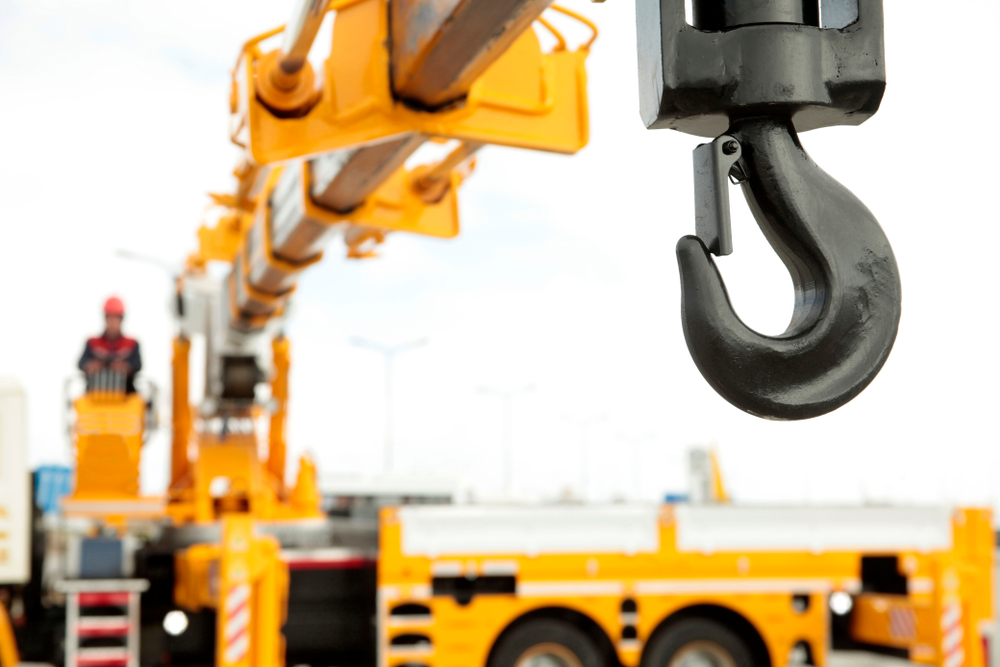
Construction projects across Miami-Dade County often run on tight schedules, especially when heavy lifting is involved. Whether work is taking place near Downtown Miami, Brickell, Doral, Hialeah, Miami Beach, or along major corridors like I-95 and the Dolphin Expressway, even a small oversight can create costly delays when a crane is scheduled for a lift.
Common crane project delays are often preventable. Understanding the most frequent planning mistakes can help contractors, project managers, and crane operators keep work moving safely and efficiently.
Poor site preparation, inaccurate load calculations, and scheduling conflicts are among the most common mistakes that delay crane operations in Miami. Successful crane project planning requires clear communication, accurate lift information, proper construction site preparation, and coordination between all parties involved. When these elements are addressed early, heavy lifting projects are more likely to stay on schedule and avoid costly downtime.
What Miami Contractors Should Know Before Scheduling a Lift
- Thorough construction site preparation helps prevent access issues, setup delays, and unexpected safety concerns.
- Accurate load calculations are essential for selecting the correct crane and lift configuration.
- Weather conditions in South Florida can affect lift schedules, especially during hurricane season and periods of heavy rainfall.
- Early crane project planning helps coordinate permits, deliveries, and site logistics throughout Miami-Dade County.
- Reliable crane rental services work best when project details are communicated well in advance.
Why Crane Project Delays Matter in South Florida
Crane operations in Miami involve more than simply delivering equipment to a job site. Projects often take place in dense urban environments, busy commercial districts, waterfront developments, and rapidly growing industrial areas.
Local factors such as traffic congestion, limited staging areas, permit requirements, and seasonal weather patterns can create additional challenges. A delayed lift may affect multiple trades, postpone material deliveries, and increase overall project costs.
At Epperson Cranes Inc, we regularly see how proper planning can make the difference between a smooth lift and an expensive delay. Understanding common obstacles allows project teams to prepare effectively before the crane arrives.
Common crane project delays in the Miami area are usually caused by insufficient site preparation, inaccurate lift data, scheduling conflicts, or changing job site conditions. Addressing these issues before mobilization helps improve safety and efficiency.
Construction Challenges Across Miami-Dade County
- Downtown projects often have limited space for crane setup and staging.
- Waterfront developments may require additional planning due to wind exposure and restricted access.
- Industrial sites near Medley and Doral frequently involve oversized equipment and complex lift requirements.
- Seasonal storms can affect ground conditions and visibility.
- High-traffic corridors may require careful coordination for deliveries and crane mobilization.
- Local permitting requirements can impact scheduling if documentation is incomplete.
- Large commercial developments often depend on multiple subcontractors working from the same timeline.
If your project involves significant lifting requirements, understanding these local conditions can help reduce avoidable delays.
Local Data and Industry Observations
Construction activity throughout Miami-Dade County continues to create demand for cranes across residential, commercial, industrial, and infrastructure projects. According to Miami-Dade County permitting and development activity, large-scale construction remains active throughout the region, increasing the need for coordinated lift scheduling and site logistics.
Field experience throughout South Florida consistently shows that projects with detailed lift plans, verified load information, and completed site preparation experience fewer disruptions than projects that rely on last-minute coordination.
How Delays Impact Construction Projects
Crane project delays can affect budgets, timelines, and site productivity. When a scheduled lift is postponed, crews may remain idle, material deliveries may need to be rescheduled, and subsequent trades may be unable to begin their work.
In areas such as Brickell, Wynwood, and Edgewater, where construction schedules are tightly managed, even a single missed lift window can create ripple effects across an entire project timeline.
For heavy lifting projects involving structural steel, HVAC units, precast components, or industrial equipment, delays can quickly become expensive.
Expert Commentary
Proper crane project planning begins long before the crane arrives on site. We recommend reviewing lift requirements early, verifying load information, and conducting a thorough site assessment before scheduling equipment.
One of the most common misconceptions is that any available crane can perform any lift. In reality, crane selection depends on multiple factors, including load weight, lift radius, site access, ground conditions, and surrounding obstacles.
We also find that communication between contractors, suppliers, and crane operators plays a major role in avoiding scheduling issues.
Warning Signs That a Crane Project May Face Delays
Crane project delays are often predictable when warning signs appear during planning stages. Recognizing these issues early can help avoid disruptions.
Common warning signs include:
- Load weights have not been verified.
- Lift drawings are incomplete or unavailable.
- Site access routes have not been inspected.
- Ground conditions remain unknown.
- Material delivery schedules are uncertain.
- Permits or approvals are still pending.
- Multiple subcontractors are working from conflicting schedules.
- Weather contingencies have not been discussed.
Ignoring these warning signs can increase the risk of delays, safety concerns, and unexpected project costs.
When to Call a Crane Professional
Professional crane assistance should be sought whenever lift requirements are unclear, site conditions are complex, or equipment selection is uncertain. Experienced crane providers can help identify issues before they affect project timelines.
While project managers can monitor scheduling and site readiness, crane professionals should evaluate lift plans, equipment requirements, and safety considerations. South Florida’s unique construction environments often require specialized planning that goes beyond basic project coordination.
Common Local Causes of Crane Project Delays
Crane project delays in the Miami region are most commonly caused by planning gaps, environmental factors, and coordination challenges.
1. Poor Site Preparation
Insufficient construction site preparation can create immediate problems on lift day. Blocked access routes, inadequate setup areas, and unstable ground conditions frequently lead to delays.
2. Inaccurate Load Calculations
Incorrect load information can require equipment changes, revised lift plans, or additional engineering review. Accurate load calculations are critical for safe and efficient operations.
3. Scheduling Conflicts
Material deliveries, subcontractor availability, and permit timing must align with crane scheduling. Miscommunication between parties often results in costly delays.
4. Weather Conditions
Heavy rain, lightning, high winds, and tropical weather systems can affect crane operations throughout South Florida.
5. Access Restrictions
Urban projects near Downtown Miami and Miami Beach often face challenges related to traffic management, limited staging space, and restricted work areas.
Preventing Lift Delays
Preventing crane project delays starts with early planning and detailed coordination. We recommend confirming lift requirements well before scheduled operations and conducting thorough site evaluations.
Helpful prevention steps include:
- Verify load weights and dimensions.
- Complete construction site preparation in advance.
- Inspect access routes before mobilization.
- Coordinate delivery schedules with lift timelines.
- Monitor weather forecasts during planning.
- Review permits and approvals early.
- Communicate updates promptly to all stakeholders.
These proactive measures can significantly improve project efficiency.
Expected Results from Proper Planning
Effective crane project planning typically results in smoother operations, fewer disruptions, and improved schedule reliability. Projects that address site conditions, load requirements, and logistics early are generally better positioned for successful execution.
Contractors can expect improved coordination, reduced downtime, and greater confidence that heavy lifting projects will proceed according to plan.
Industry Insight
Many crane-related delays occur before the lift even begins. Thorough preparation often provides greater schedule benefits than attempting to solve problems after equipment arrives on site.
Common Mistakes That Create Delays
Mistake: Assuming Site Access Is Adequate
Consequence: Equipment may be unable to reach the work area safely.
Better Approach: Conduct a site inspection and confirm access requirements before scheduling.
Mistake: Providing Estimated Load Weights
Consequence: Incorrect crane selection and potential schedule changes.
Better Approach: Verify all load calculations before planning the lift.
Mistake: Waiting Until the Last Minute
Consequence: Limited equipment availability and scheduling conflicts.
Better Approach: Schedule crane rental services as early as possible.
Mistake: Ignoring Weather Considerations
Consequence: Increased risk of delays and rescheduling.
Better Approach: Build weather contingencies into project timelines.
Mistake: Poor Communication
Consequence: Coordination failures among contractors, suppliers, and operators.
Better Approach: Maintain regular communication throughout the project lifecycle.
A Common Local Scenario
A contractor preparing for a commercial equipment installation in the Doral area schedules a crane several weeks in advance. Shortly before the lift, the team discovers that actual equipment weights differ from the original specifications.
The lift plan must be revised, requiring schedule adjustments and additional coordination. Had accurate load calculations been verified during the initial planning phase, the project could have avoided unnecessary delays and downtime.
Related Service Solutions
Crane rental services help reduce project risks by providing equipment, planning support, and operational expertise tailored to specific lift requirements.
Services that often support successful projects include:
- Crane rental services
- Lift planning assistance
- Heavy equipment lifting
- Commercial construction support
- Industrial lifting solutions
- Specialized rigging coordination
Working with experienced professionals helps ensure that equipment selection and project logistics align with operational requirements.
Comparing Your Planning Options
The best option depends on project complexity, timeline requirements, and lift conditions.
| Approach |
Advantages |
Limitations |
| Basic Internal Planning |
Lower upfront effort |
Greater risk of missed details |
| Professional Lift Planning |
Improved coordination and safety review |
Requires early engagement |
| Last-Minute Scheduling |
Quick response for urgent needs |
Reduced flexibility and availability |
| Early Crane Coordination |
Better equipment selection and scheduling |
Requires advance planning |
For most projects, early coordination provides the greatest opportunity to avoid delays.
Service Areas
We support construction and lifting operations throughout Miami-Dade County and surrounding communities. Our experience includes projects in Miami, Doral, Hialeah, Miami Beach, Medley, Coral Gables, Kendall, and nearby commercial and industrial areas.
Local familiarity helps us anticipate logistical challenges and support efficient lift planning throughout the region.
The Cost of Ignoring Planning Issues
Ignoring crane project planning issues can increase labor costs, extend project timelines, and create unnecessary operational disruptions. Delays may affect multiple trades and create cascading schedule impacts across the entire job site.
For large commercial and industrial projects, the cost of a missed lift can exceed the cost of proper preparation. Addressing issues early is often the most efficient path forward.
FAQ
What is the most common cause of crane project delays?
Poor site preparation is one of the most common causes of crane project delays. Access issues, inadequate setup areas, and unverified ground conditions frequently create problems on lift day.
Why are accurate load calculations important?
Accurate load calculations help determine the correct crane configuration and lifting capacity. Incorrect information can lead to schedule changes, equipment substitutions, and additional planning requirements.
How early should crane rental services be scheduled?
Crane rental services should ideally be scheduled as early as practical during project planning. Early scheduling improves equipment availability and allows time for site assessments and coordination.
Can weather delay crane operations in Miami?
Yes. High winds, lightning, heavy rainfall, and tropical weather systems can affect crane safety and scheduling throughout South Florida.
What should be included in construction site preparation?
Construction site preparation should include access verification, ground condition assessment, equipment staging areas, safety reviews, and coordination with other project activities.
How can contractors avoid scheduling conflicts?
Contractors can reduce scheduling conflicts through proactive communication, coordinated delivery timelines, and early confirmation of project milestones.
Are permits sometimes responsible for delays?
Yes. Missing documentation or delayed approvals can affect crane scheduling and project timelines, depending on the scope of work and local requirements.
What types of projects benefit from professional lift planning?
Commercial construction, industrial installations, infrastructure work, and other heavy lifting projects often benefit from professional planning and coordination.
Construction projects throughout Miami depend on careful coordination and reliable lift execution. Understanding the common mistakes that delay crane operations can help contractors and project managers keep projects moving safely and efficiently.
Keep Your Lift Schedule on Track
Proper planning today can help prevent costly delays tomorrow. Our team understands the challenges involved in crane project planning, construction site preparation, and heavy lifting projects throughout Miami-Dade County.

Miami’s construction industry is booming. From luxury high-rises along Brickell Avenue to sprawling commercial developments in Doral and mixed-use projects reshaping the Wynwood Arts District, cranes are a constant presence on the city’s skyline. With this growth comes serious responsibility. Operating heavy lifting equipment in a dense urban environment like Miami requires strict adherence to safety protocols, not just to comply with regulations, but to protect workers, bystanders, and the surrounding infrastructure.
Whether you are managing a project that depends on crane rentals or overseeing a long-term build, understanding Miami-specific safety best practices is essential.
1. Understanding Miami’s Unique Environmental Challenges
Miami presents a set of environmental conditions that make crane operations more complex than in many other parts of the country. The city sits in a subtropical climate zone, which means high humidity, intense heat, and a hurricane season that runs from June through November. Each of these factors introduces risks that must be carefully managed.
Wind is perhaps the most critical concern. Miami is no stranger to sudden gusts and tropical storm conditions, even outside of peak hurricane months. The American National Standards Institute (ANSI) and the Occupational Safety and Health Administration (OSHA) both provide wind speed thresholds for safe crane operations, and project managers in Miami must treat these guidelines as minimums, not suggestions. Daily weather monitoring is non-negotiable, and crane operators should have a clear, documented protocol for suspending lifts when wind speeds approach unsafe levels.
Heat is another factor that deserves serious attention. Operating heavy equipment in extreme heat puts operators at risk of fatigue and heat-related illness, both of which can impair judgment and reaction time. Scheduling the most demanding crane operations during cooler morning hours, providing shaded rest areas, and ensuring proper hydration are all practices that support safer outcomes on Miami job sites.
Finally, Miami’s soil conditions and proximity to the water table create unique ground stability challenges. Before positioning any crane, a thorough geotechnical assessment of the site should be completed to confirm that the ground can bear the load. Poor soil compaction or underground voids can lead to crane tip-overs, which are among the most catastrophic accidents in construction.
2. Pre-Operation Inspections and Equipment Standards
No crane should be put into service without a comprehensive pre-operation inspection. This applies whether the equipment is owned outright or sourced through crane rentals. In fact, when renting, the responsibility for verifying equipment condition is shared between the rental provider and the contractor, and both parties should take this obligation seriously.
A proper pre-operation inspection covers the structural components of the crane, including the boom, mast, and jib, as well as all load-bearing hardware such as hooks, wire ropes, and sheaves. Hydraulic systems, brakes, and limit switches must all be checked and documented. Any equipment showing signs of wear, corrosion, or mechanical failure should be removed from service immediately.
In Miami, where salt air accelerates corrosion on metal components, equipment condition checks need to be more frequent than in inland locations. Rental providers operating in South Florida should be maintaining their fleets with this reality in mind, and contractors should ask pointed questions about maintenance schedules and inspection histories before agreeing to any crane rentals.
Beyond individual component checks, operators should verify that the crane’s load charts are accessible and in good condition. Load charts must match the specific configuration of the crane as it is set up on the job site. Using incorrect load charts is a common contributor to overloading incidents, which can have fatal consequences.
3. Operator Certification and Crew Training Requirements
Crane safety is only as strong as the people operating and supporting the equipment. In Florida, crane operators are required to be certified through a program accredited by the National Commission for the Certifying of Crane Operators (NCCCO) or a comparable accrediting body. This certification requirement applies to all tower cranes and most mobile cranes used on construction sites.
Beyond the operator, the entire lift crew requires proper training. Signal persons, riggers, and spotters all play critical roles in safe crane operations, and miscommunication between any of these team members can lead to serious accidents. Hand signals and radio communication protocols should be established and rehearsed before any lift begins.
Supervisors and site managers should also be familiar with OSHA 1926 Subpart CC, which governs crane and derrick operations in construction. Understanding these regulations helps managers recognize unsafe conditions, respond appropriately to equipment issues, and ensure that their teams are operating within the law.
Regular safety briefings and toolbox talks are a straightforward way to keep crane safety top of mind on busy job sites. Miami construction projects often involve large, rotating crews, and consistent training reinforces the culture of safety that reduces accidents over time.
4. Lift Planning and Load Management
A successful crane lift does not happen by accident. It is the result of careful planning, clear communication, and a thorough understanding of the physics involved. For complex lifts, a formal lift plan should be developed and reviewed by qualified personnel before any rigging is attached.
A lift plan accounts for the weight and dimensions of the load, the crane’s capacity at the required radius, the path of travel for the load, nearby structures or power lines, and the qualifications of the crew performing the lift. In Miami’s dense urban environment, proximity to existing buildings, roadways, and utilities makes lift path planning especially important.
One area that is frequently underestimated is the impact of outrigger placement. Mobile cranes rely on outriggers to distribute their load and maintain stability during lifts. Outriggers must be fully extended and positioned on solid, level ground. On Miami job sites, where construction is often happening in close proximity to streets, sidewalks, and existing structures, finding suitable outrigger positions can require creative site management and coordination with local authorities.
Contractors who rely on crane rentals should work closely with their rental provider during the planning phase. Experienced rental companies can offer guidance on equipment selection, configuration, and positioning that directly improves lift safety and efficiency.
5. Compliance with Local Permits and OSHA Regulations
Operating a crane in Miami is not just a matter of equipment and skill. It also involves navigating a regulatory environment that includes local permitting requirements, OSHA standards, and Florida-specific construction laws.
The City of Miami and Miami-Dade County both have permitting processes that apply to crane operations, particularly for tower cranes and long-term installations. These permits exist to protect the public and ensure that crane placements are coordinated with utilities, traffic management, and emergency services. Failing to obtain the proper permits can result in stop-work orders, fines, and serious legal liability.
OSHA inspections on Miami construction sites are not uncommon, particularly on larger commercial and residential projects. OSHA’s standards for crane operations are detailed and far-reaching, covering everything from operator certification and equipment inspection to assembly procedures and power line safety. Project managers should conduct regular internal audits to confirm ongoing compliance.
When sourcing crane rentals, choosing a provider that understands the local regulatory landscape is a significant advantage. A knowledgeable rental partner can help ensure that the equipment delivered meets all applicable standards and that the necessary documentation is in order before the crane is ever set up on site.
Conclusion
Crane safety in Miami requires a proactive, multi-layered approach. The city’s climate, soil conditions, dense urban layout, and active regulatory environment all demand a higher level of diligence from contractors, operators, and rental providers alike. By prioritizing pre-operation inspections, investing in crew training, planning every lift carefully, and staying current with permits and OSHA requirements, Miami construction teams can complete their projects efficiently while keeping everyone on and around the job site safe. For projects that depend on crane rentals, partnering with a reputable and experienced provider is one of the most important decisions a project manager can make.
Need a Crane Rental Service Near You?
Here at Epperson Cranes Inc., we’re more than just a crane service—we’re your trusted partner in construction. With over 67 years of family-owned expertise, a steadfast commitment to safety, and a focus on customer satisfaction, we’re here to lift your project to new heights. Whether you need reliable equipment for routine construction or rapid response for an emergency, our team is available 24/7 with cranes ranging from 20 to 100 tons, rigging, hauling, and more. Contact us today for a free estimate or consultation and experience the Epperson difference. Your project deserves the best, and we’re ready to deliver!
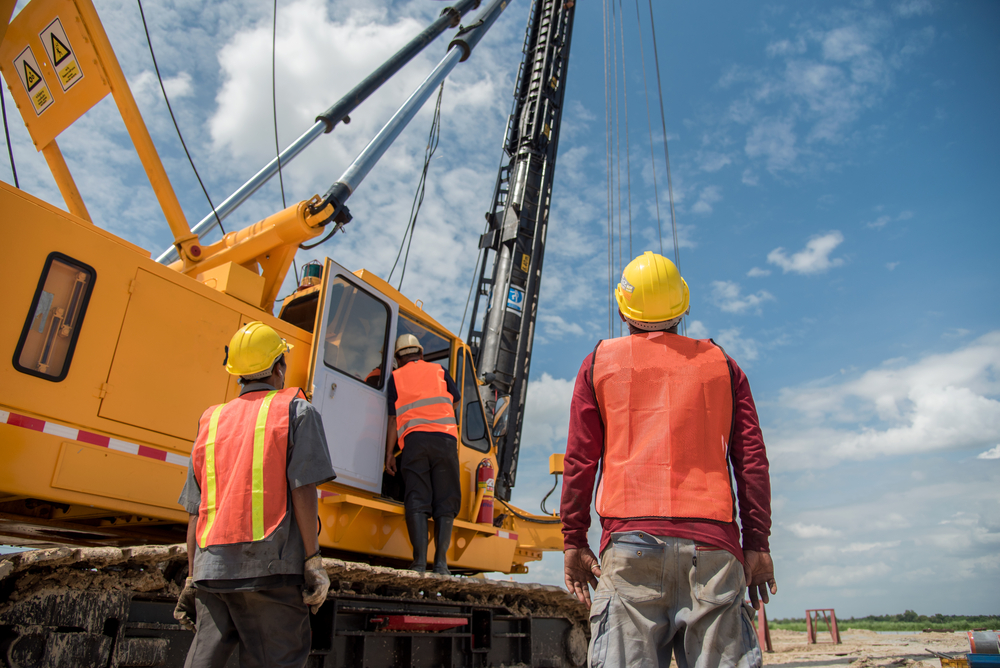
South Florida’s climate is known for its warmth, humidity, and sunshine, but contractors and construction managers know that it also brings consistent wind challenges. The coastal geography of the region, including areas like Miami, FL, makes it highly susceptible to strong wind gusts, especially during the Atlantic hurricane season which runs from June through November. These environmental factors pose significant risks for crane operations. In fact, crane safety in windy conditions isn’t just a recommendation; it’s a necessity for protecting workers, equipment, and nearby communities.
The winds in South Florida can change quickly, making it crucial for contractors to remain constantly aware of weather forecasts. Even when hurricanes aren’t imminent, sudden storms and afternoon thunderstorms can bring unexpected gusts that compromise crane stability. The stakes are especially high in dense urban settings such as Miami, FL, where cranes often operate in proximity to high-rise buildings, traffic, and pedestrian zones. Given these conditions, prioritizing safe crane practices is critical for every construction site manager and operator.
Regulatory Standards and Local Requirements
Working in South Florida requires full compliance with both national and local safety standards for crane operations. The Occupational Safety and Health Administration (OSHA) outlines wind-related crane operation rules, including load capacity adjustments during gusty conditions. However, South Florida municipalities often add their own regulations tailored to the region’s frequent storms and unpredictable winds. For instance, Miami-Dade County requires extra scrutiny for tower cranes, particularly those operating during the hurricane season.
In addition to regulatory mandates, contractors must also coordinate with local building departments before beginning crane operations. Permits may require wind load calculations, engineer-reviewed lift plans, and wind-resilient anchoring systems. These requirements are not just bureaucratic hurdles; they are safety measures designed to reduce the likelihood of accidents or equipment failure. Contractors must ensure that their crews are not only trained on national OSHA guidelines but also fully understand the South Florida-specific codes related to high-wind operations.
Best Crane Practices for Wind Safety
Safe crane operations during windy conditions depend on meticulous planning, proper equipment selection, and continuous risk assessment. One of the best crane practices for wind safety involves always checking the manufacturer’s wind load specifications before any lift. Each crane has a maximum safe wind speed at which it can operate, and exceeding this limit is not just unsafe, it can lead to catastrophic failure. Operators must use anemometers and real-time wind monitoring tools, rather than relying solely on weather apps or forecasts.
Another critical step is ensuring that loads are not lifted if wind speeds approach unsafe levels. Even lightweight objects can behave unpredictably when exposed to strong gusts, increasing the chances of load sway, drop, or boom instability. For tower cranes, tie-in points to structures must be regularly inspected and reinforced to handle the dynamic pressures of wind. Rigging teams should also use wind-rated slings and secure all loose materials that could become airborne hazards.
Communication is another cornerstone of safety during wind-prone operations. Crews need to follow established hand signals and have radio backups in case of emergency. Site managers should conduct daily safety briefings that include wind condition updates and action plans. If wind speeds rise unexpectedly, workers must be trained to halt operations immediately and secure the crane per the shutdown procedures. These may include feathering the boom, lowering the hook, and locking rotation mechanisms.
Hurricane Season: Elevated Risks for Crane Operations
The hurricane season introduces a whole new level of complexity to crane safety in South Florida. While day-to-day winds can be managed with on-site adjustments and monitoring, the lead-up to a tropical storm or hurricane requires proactive dismantling and evacuation planning. For projects in Miami, FL and other high-risk zones, contractors should prepare a crane-specific storm action plan well in advance of hurricane season. This plan should outline thresholds for demobilization, equipment storage, and crew safety procedures.
Crane collapses during hurricanes have made national headlines, often resulting in property damage and life-threatening situations. Avoiding such incidents requires early decision-making. Contractors must understand that waiting until the last moment to secure or disassemble a crane can lead to dangerous outcomes. Some newer crane models are engineered with weather-resistant features and stronger tie-down systems, but no equipment is fully hurricane-proof. Therefore, if a storm is projected to hit the region, it is generally advised to take cranes down or at least lock them into a secure position to withstand high winds.
It is also essential to coordinate closely with local authorities when a storm is approaching. Emergency management offices in South Florida often issue mandatory evacuation notices or construction stoppage orders. Contractors who fail to comply risk both legal and reputational damage. More importantly, noncompliance endangers the lives of workers and residents. That is why the integration of storm preparedness into overall crane safety protocols is a non-negotiable aspect of managing construction during hurricane season.
Training, Maintenance, and Technological Support
Crane safety is not a static goal; it requires ongoing training, equipment maintenance, and the adoption of smart technologies. Operators and riggers must undergo certified training that includes wind-specific modules. This should cover everything from understanding torque and load balance under wind pressure to proper signaling during wind-induced emergencies. In windy areas like Miami, FL, site-specific drills should also be practiced periodically so that everyone knows their role when wind conditions deteriorate.
Routine maintenance is equally vital. Cranes must be inspected frequently for wear and tear that could be exacerbated by high winds. Bolts, cables, booms, and hydraulic systems should be evaluated for any signs of stress or fatigue. These checks should be more frequent during hurricane season or when prolonged windy weather is forecasted. Additionally, site managers should document all maintenance and safety checks to ensure compliance with insurance requirements and safety audits.
Modern technology offers tools that can improve safety during crane operations in challenging weather. Wind sensors and weather alert systems can be integrated directly into cranes or control stations. Some systems provide real-time alerts when wind speeds approach preset danger levels. Drones can also assist in inspecting cranes for potential damage without putting human inspectors at risk. Using technology in tandem with traditional safety methods creates a more robust approach to managing the inherent risks of crane operations in South Florida.
Conclusion
Contractors operating in South Florida face unique challenges, especially when it comes to crane safety in windy conditions. With Miami, FL and surrounding areas frequently affected by gusty weather and tropical storms, it is critical that construction professionals stay ahead of the risks. This means understanding regional regulations, following best crane practices for wind safety, and preparing for the unpredictable nature of hurricane season.
Success in this environment depends on more than just compliance; it requires a culture of vigilance, preparation, and accountability. By investing in proper training, leveraging real-time technology, and adhering to both national and local safety standards, contractors can minimize hazards and protect their teams and communities. In a region where the wind is a constant companion, crane safety must always be top of mind.
Need a Crane Rental Service Near You?
Here at Epperson Cranes Inc., we’re more than just a crane service—we’re your trusted partner in construction. With over 67 years of family-owned expertise, a steadfast commitment to safety, and a focus on customer satisfaction, we’re here to lift your project to new heights. Whether you need reliable equipment for routine construction or rapid response for an emergency, our team is available 24/7 with cranes ranging from 20 to 100 tons, rigging, hauling, and more. Contact us today for a free estimate or consultation and experience the Epperson difference. Your project deserves the best, and we’re ready to deliver!