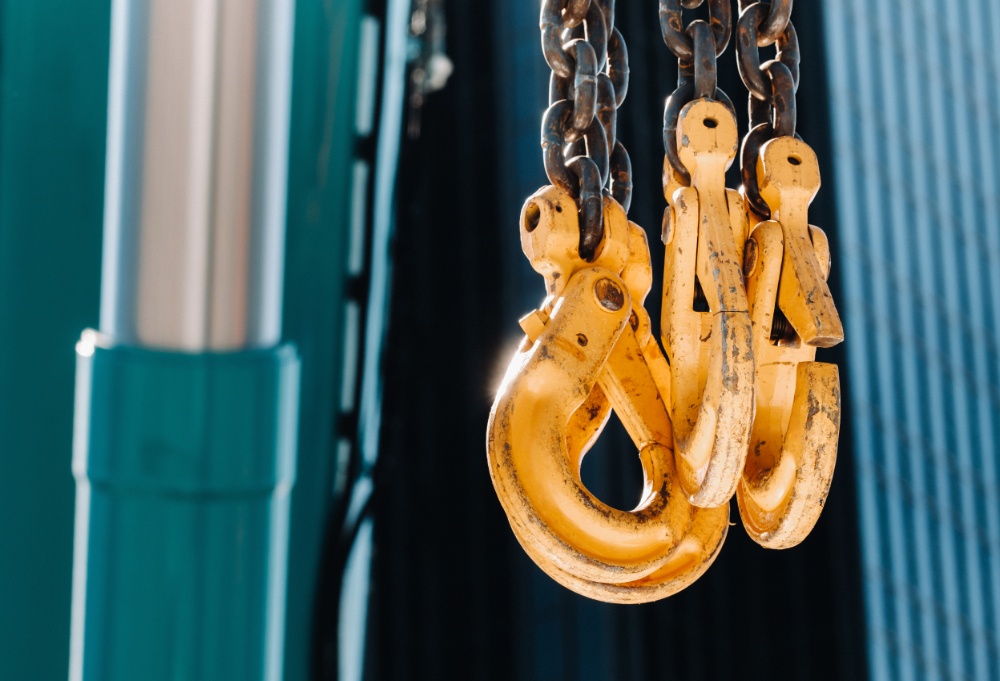
Requesting a crane rental quote in Miami, FL, involves more than providing a job address and choosing a date. Tight urban sites, high-rise properties, waterfront locations, traffic, overhead obstructions, and South Florida weather can all affect what equipment and planning a lift requires.
The more useful information you provide at the start, the easier it is for a crane rental company to understand the scope of the job and determine what needs to be evaluated before equipment is selected.
Quick answer: When requesting a crane rental quote, provide the jobsite address, what needs to be lifted, the load weight and dimensions, the required lifting height and reach, preferred date and time, expected project duration, and details about jobsite access. For projects in Miami, you should also mention traffic restrictions, overhead utilities, nearby buildings, limited setup space, and other site conditions that could affect crane positioning.
What local readers should know
Accurate load weight and dimensions are essential because crane selection depends heavily on what is being lifted and where it must go.
Miami jobsites near dense areas such as Brickell, Downtown Miami, and Wynwood may have considerably different access and setup conditions than open commercial or industrial properties.
Photos, plans, or equipment specifications can help communicate site and load details, but they do not necessarily replace an on-site evaluation when one is needed.
Weather and site conditions should be considered when planning lifting work in South Florida.
What Information Should You Provide for a Crane Rental Quote?
The information you should provide for a crane rental quote includes the job location, load specifications, lifting distance, required height, site access, schedule, and any known obstacles or restrictions. Providing these details gives the crane rental company a clearer picture of the lift and helps identify what additional information or site evaluation may be necessary.
Start with the exact project address and a description of the work. Explain whether the crane will be lifting HVAC equipment, construction materials, machinery, structural components, generators, or another type of load.
You should also provide:
Estimated or verified load weight
Load length, width, and height
Desired pickup and placement locations
Approximate lifting height
Horizontal distance from the proposed crane location to the load
Requested service date and time
Estimated duration of crane use
Known access limitations
Photos or drawings, when available
For projects in Miami, details about surrounding streets, structures, parking areas, landscaping, and utilities can be especially useful.
Why Does Accurate Load Information Matter?
Accurate load information matters because a crane must be selected and configured for the specific weight, dimensions, radius, and lifting conditions of the job. Simply describing an item as an air-conditioning unit, generator, or piece of machinery does not provide enough information to properly evaluate the lift.
Whenever possible, obtain the load weight from manufacturer documentation, equipment specifications, engineering documents, or another reliable source. Avoid guessing.
Dimensions matter too. A large or unusually shaped load may create handling and rigging considerations that are not obvious from weight alone.
At Epperson Cranes Inc, we can use the information you provide to better understand the requested lift and identify what additional jobsite details need to be reviewed.
What Jobsite Access Details Should You Include?
Jobsite access details should explain where the crane may be positioned, how equipment can enter and leave the property, and what physical obstacles surround the proposed setup area. This is particularly important throughout Miami-Dade County, where sites range from dense urban blocks to waterfront properties and larger commercial facilities.
Tell us about conditions such as:
Narrow streets or driveways
Gates or restricted entrances
Parked vehicles
Nearby buildings
Overhead power lines or utilities
Trees and landscaping
Fences or walls
Limited staging space
Active vehicle or pedestrian areas
A lift in Brickell may involve a very different setup environment from one in Doral or a less congested portion of the county. Identifying these conditions early helps make the quote request more useful.
What Local Conditions Can Affect a Miami Crane Rental?
Local conditions that can affect a Miami crane rental include dense development, traffic, limited equipment setup areas, nearby structures, waterfront exposure, and South Florida weather. These factors can influence how a lift must be evaluated and planned even when two projects involve similar loads.
Miami includes everything from high-rise construction and commercial corridors to residential properties and industrial facilities. A job near Downtown Miami may have restricted street space and significant pedestrian activity, while a project around Doral may involve warehouse or industrial access considerations.
South Florida’s climate is another practical factor. Rain, thunderstorms, wind, and changing weather conditions can affect outdoor lifting operations and scheduling. Site-specific conditions must be considered when determining whether work can proceed safely.
What Are the Warning Signs That Your Lift Needs More Planning?
A crane lift needs additional planning when the load, site, access route, or surrounding environment creates uncertainty that cannot be resolved with basic information alone. Complex conditions are particularly common in developed portions of Miami where crane placement and load placement may be separated by buildings, walls, landscaping, or active streets.
Watch for these situations:
You do not know the verified weight of the load.
The crane cannot be positioned directly beside the load.
The load must be placed on a roof or elevated structure.
Buildings or other obstacles stand between the crane and placement point.
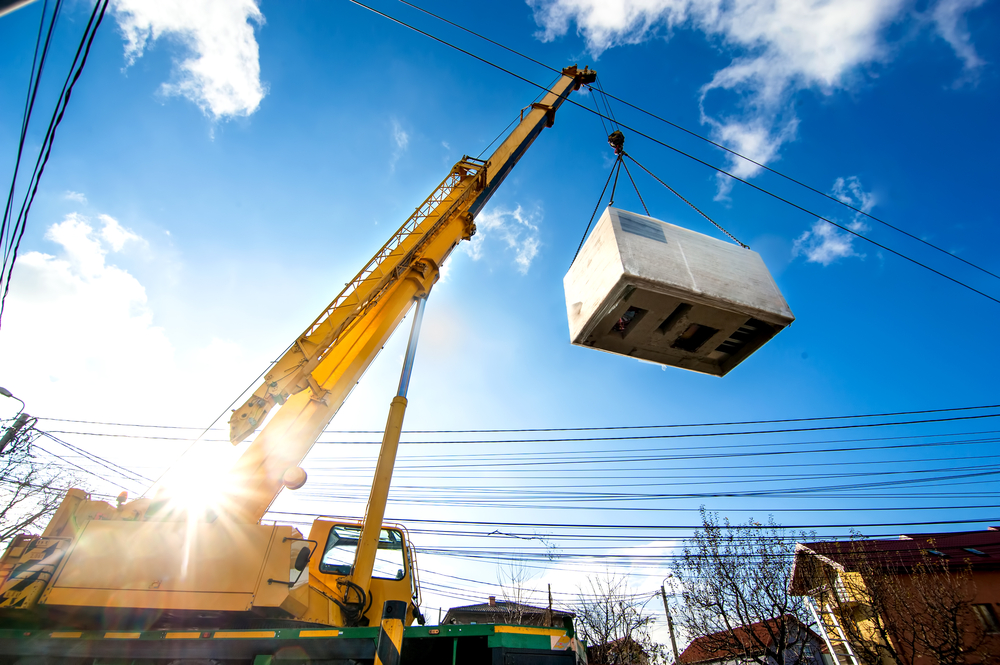
Overhead utilities are near the proposed work area.
The setup area appears narrow or constrained.
The site has significant pedestrian or vehicle activity.
You are unsure whether equipment can access the proposed crane location.
These conditions do not necessarily prevent a lift. They simply mean more information may be needed before the appropriate equipment and approach can be determined.
When Should You Call a Crane Rental Professional?
You should contact a crane rental professional as soon as you know the basic load, location, and approximate project schedule, especially when access or lifting requirements are uncertain. Early communication allows time to identify missing information instead of discovering an important site constraint immediately before the planned lift.
You can safely gather basic details such as equipment specifications, site photographs, measurements, and the project address. Crane selection, setup requirements, rigging considerations, and operational decisions should be evaluated by qualified professionals based on the actual lift.
For busy Miami jobsites, early planning can also provide more time to address logistical considerations associated with the property and surrounding area.
What Common Factors Make Miami Crane Jobs More Complex?
The most common factors that make Miami crane jobs more complex are limited setup space, long lifting distances, elevated placement points, surrounding development, and changing outdoor conditions. Each factor can change what must be considered when evaluating a crane rental request.
1. Limited setup space: Dense areas such as Brickell and Downtown Miami can provide less room for equipment positioning than more open sites.
2. Lifting radius: The farther the load is horizontally from the crane, the more important accurate distance information becomes when evaluating the lift.
3. Elevated placement: Rooftop HVAC equipment and other elevated loads require accurate height and placement information.
4. Surrounding obstacles: Buildings, utility lines, trees, walls, and other structures can affect the available lifting path.
5. Weather exposure: South Florida’s rain, thunderstorms, and wind can affect outdoor work and should be considered during scheduling and operations.
How Can You Prepare Before Requesting a Quote?
You can prepare for a crane rental quote by gathering reliable load specifications, measuring key distances, photographing the site, and identifying obvious access restrictions before making the request. A few minutes spent collecting information can make the initial conversation much more productive.
Photograph the proposed setup area and the load from several angles. If possible, include photos showing the route into the property and the area between the crane location and final placement point.
Gather manufacturer information for equipment being lifted, especially if it provides verified weight and dimensions. For construction materials or custom loads, use the appropriate project documentation rather than estimating.
Do not attempt to make technical crane capacity or setup decisions yourself. Provide the available information and allow the lift requirements to be professionally evaluated.
What Results Should You Expect After Providing the Job Details?
After providing the job details, you should expect the crane rental company to review the requested lift and determine whether additional measurements, documents, photographs, or site information are necessary. More complex projects may require further evaluation before the equipment and scope can be established.
A straightforward lift at an accessible property may require fewer details than a rooftop placement in a congested part of Miami. The purpose of the quote process is not simply to obtain a price. It is also an opportunity to define what the job actually requires.
What Mistakes Should You Avoid When Requesting a Crane Quote?
The biggest mistakes when requesting a crane quote are guessing the load weight, overlooking lifting distance, providing incomplete access information, and waiting until the last minute to discuss a complicated site. Better information at the beginning reduces uncertainty during the planning process.
Mistake: Guessing the weight. Consequence: The lift may be evaluated using incorrect information. Better approach: Obtain reliable manufacturer or project specifications.
Mistake: Providing only the lifting height. Consequence: An important part of the lift geometry is missing. Better approach: Provide both approximate height and horizontal distance.
Mistake: Ignoring site obstacles. Consequence: The proposed setup or lifting path may not match actual site conditions. Better approach: Mention buildings, utilities, walls, trees, traffic, and restricted areas.
Mistake: Sending only a job address. Consequence: The address alone does not describe the lift. Better approach: Include the load, placement location, schedule, access conditions, and supporting photos.
What Is a Common Local Crane Rental Scenario?
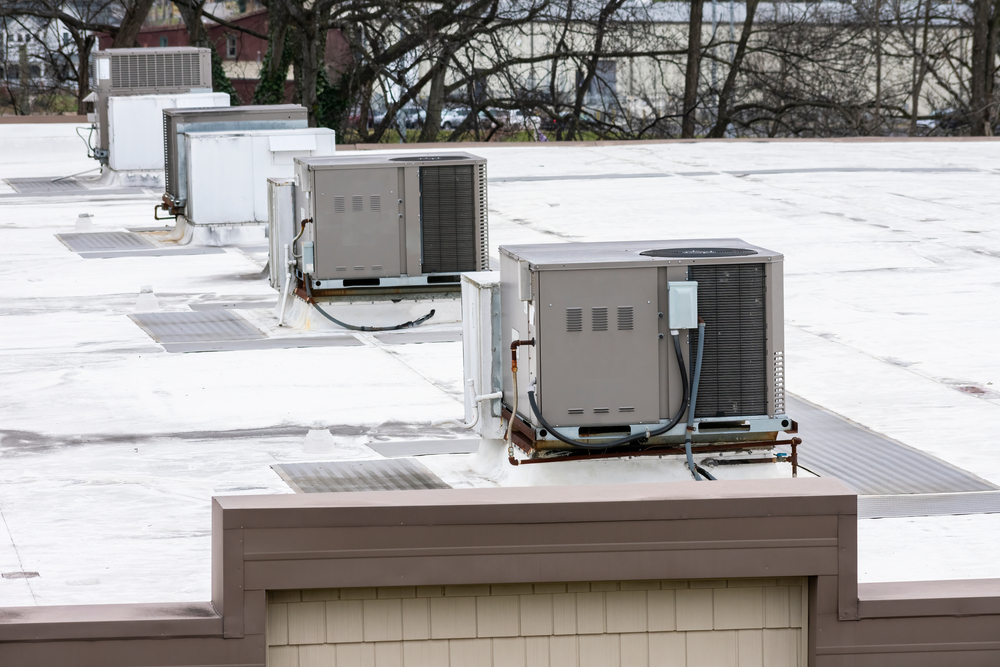
A common local crane rental scenario involves moving heavy equipment from ground level to an elevated commercial or residential location where direct access is unavailable. For example, rooftop mechanical equipment may need to be lifted over part of a building rather than moved through the structure.
In a Miami scenario like this, the quote request should identify the equipment weight and dimensions, roof or placement height, approximate crane setup location, distance to the placement point, and obstacles between those locations.
This is a general example rather than a specific Epperson Cranes Inc project. Actual requirements depend on the individual site and load.
What Crane Rental Services Can Help With Your Project?
Crane rental services can support projects that require heavy materials or equipment to be lifted, positioned, or moved where conventional handling methods are not suitable. The specific crane and project requirements depend on the load, lift geometry, access, site conditions, and scope of work.
If you are preparing for lifting work in the Miami area, we can review the information you provide and discuss what additional details may be needed to evaluate your request.
Crane rental options should be compared based on suitability for the actual lift, not simply by choosing equipment based on load weight or quoted price alone. Reach, height, access, setup area, load characteristics, and site conditions all contribute to determining what a project requires.
For very simple material handling, another method may sometimes be appropriate. When a load must travel vertically, cross an obstacle, reach an elevated placement point, or be handled under specific lifting conditions, professional crane service may be required.
The safest approach is to describe the job rather than trying to select the crane yourself.
What Areas Can Be Included in a South Florida Crane Rental Request?
A South Florida crane rental request should clearly identify the exact job location because site conditions vary significantly across Miami and surrounding Miami-Dade County communities. Projects in Brickell, Downtown Miami, Coral Gables, Doral, Wynwood, and other nearby areas can present different access and logistical considerations.
Provide the complete project address so the actual location can be evaluated rather than relying solely on the city or neighborhood name.
What Can Happen If You Wait to Plan the Lift?
Waiting to plan a crane lift can leave less time to resolve missing load information, access problems, scheduling issues, or other site-specific requirements. For projects with construction schedules, equipment replacements, or commercial operations, unresolved lifting logistics can also affect other work planned around the lift.
Contacting a crane rental provider early gives you time to gather missing specifications and clarify the scope before the requested service date.
What information do I need for a crane rental quote in Miami?
For a crane rental quote in Miami, provide the project address, load weight and dimensions, lifting height, approximate horizontal reach, requested date, expected duration, and site access information. Photos and equipment specifications can also help communicate the job conditions and identify whether additional information or site evaluation is needed.
Do I need to know what size crane I need?
No, you should focus on providing accurate information about the load and jobsite rather than trying to select the crane yourself. Weight, dimensions, lifting radius, height, access, obstacles, and setup conditions help professionals evaluate what equipment may be appropriate for the requested work.
Why does lifting radius matter for a Miami crane rental?
Lifting radius matters because the horizontal distance between the crane and load is a key part of evaluating a lift. On constrained Miami properties, the crane may need to be positioned farther from the load because of buildings, landscaping, streets, or other obstacles, making accurate distance information particularly useful.
Should I send photos of my Miami jobsite?
Yes, jobsite photos can provide useful context about access, nearby structures, overhead obstacles, setup space, and the path between the crane and load. Take wide photos as well as closer views. Photos can support the initial evaluation, although some projects may still require additional site information or an on-site assessment.
How does South Florida weather affect crane scheduling?
South Florida weather can affect crane scheduling because outdoor lifting operations must account for actual conditions at the time of the work. Rain, thunderstorms, wind, and rapidly changing conditions may influence operations. Weather-related decisions should be based on the specific equipment, lift plan, site, and conditions rather than assumptions.
Can a crane lift equipment onto a roof in Miami?
Crane service may be suitable for rooftop equipment placement when the load, building, lifting distance, access, and site conditions support the operation. To request a quote, provide the equipment specifications, approximate roof height, proposed setup area, placement location, and any obstacles between the crane and roof.
Does a crane rental quote require a site visit?
A site visit may be necessary when photographs, measurements, plans, and other supplied information do not adequately establish the conditions needed to evaluate the lift. Complex sites in Miami-Dade County, particularly those with restricted access, surrounding structures, or unusual placement requirements, may require more detailed review.
How early should I request a crane rental in Miami?
Requesting a crane rental as early as practical gives you more time to provide specifications, clarify site conditions, and address logistical requirements before the planned work. The appropriate lead time varies by project, so contacting the provider once the basic load, location, and schedule are known is a practical approach.
Get Your Miami Crane Rental Quote Started With the Right Information
Preparing accurate job details helps create a clearer starting point for evaluating a crane rental project. Epperson Cranes Inc can review your load, location, access conditions, and lifting requirements so you know what additional information may be needed for your Miami-area project.
Construction projects, industrial work, and heavy equipment installations often depend on cranes to keep work moving safely and efficiently. In a busy market like Miami, project schedules, site conditions, and local regulations can all influence what you’ll pay for crane rental services.
Quick Answer
The cost of crane rental in Miami depends on several factors, including the type and size of crane, the length of the rental, project location, lifting requirements, site accessibility, operator needs, permitting requirements, and scheduling. Seasonal demand and specialized equipment can also affect pricing. Understanding these factors helps businesses plan realistic budgets and avoid unexpected costs.
What Local Readers Should Know
Crane size and lifting capacity are among the biggest factors that determine rental costs.
Projects near Downtown Miami, Brickell, or Miami Beach may require additional planning because of traffic, limited access, or local permitting.
Weather conditions, including South Florida’s rainy season and tropical storms, can impact scheduling and equipment availability.
Longer rental periods may offer different pricing structures than short-term emergency rentals.
Proper planning before the lift can reduce delays that increase overall project costs.
Why This Matters Locally
Crane projects throughout Miami often take place in dense urban environments where space is limited and scheduling is critical. Areas such as Brickell, Wynwood, Doral, Coral Gables, Miami Beach, and the Port of Miami each present unique logistical challenges. Projects may involve high-rise construction, marine operations, commercial developments, or industrial facilities throughout Miami-Dade County.
Epperson Cranes Inc has experience serving projects throughout the region, and we understand that every lift is unique. Our goal is to help customers understand the variables that influence crane rental costs so they can make informed decisions before work begins.
Local Field Observations
Based on our field experience throughout South Florida, project costs are often influenced less by the actual lift itself and more by the planning required before equipment arrives. Busy roadways, restricted job sites, overhead utilities, nearby buildings, and limited staging areas frequently require additional coordination to complete lifts safely and efficiently.
How Crane Size Affects Rental Cost
The type and size of crane directly influence rental pricing because larger machines require more transportation, setup time, and specialized support equipment.
Common crane options include:
Hydraulic truck cranes
Rough terrain cranes
All terrain cranes
Crawler cranes
Boom trucks
A larger crane may be necessary even when the load itself is relatively light if the lift requires greater reach, additional boom length, or increased working radius.
Selecting equipment that is properly matched to the project helps control unnecessary costs while maintaining safe lifting practices.
Project Duration and Scheduling
Rental duration has a significant impact on overall crane costs. Some projects require equipment for only a few hours, while others may need cranes on-site for several days or weeks.
Factors affecting duration include:
Equipment setup
Multiple lifts
Weather delays
Inspection requirements
Coordination with other contractors
Material delivery schedules
Emergency or last-minute requests may also affect pricing depending on equipment availability.
Site Accessibility Can Increase Costs
Site access plays a major role in crane rental pricing because difficult locations often require additional planning or equipment.
Examples include:
Narrow downtown streets
Limited staging areas
Soft ground conditions
Confined industrial facilities
Waterfront locations
Active commercial properties
Projects near Biscayne Bay, PortMiami, or densely developed neighborhoods may require traffic coordination or specialized lifting plans that increase project complexity.
Lift Complexity Matters
The complexity of the lift often affects pricing as much as the crane itself.
Factors that increase complexity include:
Heavy structural steel
HVAC equipment installations
Large generators
Rooftop lifts
Mechanical equipment
Precision placement
Tandem lifts
Limited visibility
Each project requires careful planning to determine the safest lifting method while minimizing downtime.
Permits and Local Requirements
Many crane projects in Miami require permits or coordination with local authorities, particularly when work affects public streets or sidewalks.
Depending on the project, requirements may involve:
Temporary lane closures
Traffic control
Municipal permits
Utility coordination
Property access approvals
These requirements vary by project and location, so they should be considered during the budgeting process.
Weather Conditions in South Florida
South Florida weather can influence crane scheduling throughout the year.
Heavy rain, lightning, high winds, and tropical weather systems may delay lifting operations for safety reasons. While schedules can often be adjusted, weather-related interruptions may affect labor coordination and overall project timelines.
Planning projects with weather flexibility can help reduce unnecessary costs.
Warning Signs You May Need a Larger Crane
You may need additional lifting capacity if:
Materials must reach upper floors.
The crane cannot get close to the lift location.
Loads exceed standard boom truck capacity.
Multiple heavy components must be lifted in one day.
The lift requires extended boom length.
Nearby structures limit crane positioning.
Jobsite conditions reduce equipment access.
A professional site evaluation helps determine the appropriate equipment before work begins.
When to Call a Professional
Professional crane planning is recommended whenever heavy materials, elevated installations, or specialized lifting is involved.
While project managers can often estimate equipment needs, experienced crane professionals evaluate load weight, lift radius, ground conditions, overhead hazards, and site accessibility to recommend appropriate equipment and lifting procedures.
Common Local Causes of Higher Crane Costs
Several local factors commonly influence crane rental pricing in Miami:
1. Urban Construction
Busy commercial districts often require additional coordination because of traffic, pedestrians, and neighboring properties.
2. Limited Access
Tight workspaces frequently increase setup time and equipment requirements.
3. Waterfront Projects
Marine environments and waterfront construction often require specialized planning.
4. High-Rise Development
Tall buildings frequently require cranes with greater reach and lifting capacity.
5. Seasonal Demand
Construction activity can fluctuate throughout the year, affecting equipment availability.
Prevention and Planning Tips
Project owners can help manage crane rental costs by:
Scheduling lifts well in advance.
Providing accurate load weights.
Sharing site drawings before the rental date.
Preparing staging areas before crane arrival.
Coordinating deliveries with lift schedules.
Identifying access limitations early.
Good planning often reduces delays that increase project expenses.
What to Expect From Professional Crane Rental
A professional crane rental service typically includes more than simply delivering equipment.
Depending on the project, services may include:
Project planning
Site evaluation
Equipment recommendations
Lift planning
Crane setup
Qualified operator services when requested
Safe equipment removal after project completion
The exact scope depends on the project’s needs.
Common Mistakes
Choosing Based Only on Price
Lowest-cost equipment may not meet lifting requirements, potentially creating delays or requiring additional rentals.
Underestimating Load Weight
Incorrect weight estimates can result in selecting the wrong crane.
Ignoring Site Conditions
Access restrictions should be evaluated before scheduling equipment.
Waiting Until the Last Minute
Early scheduling often provides more flexibility for equipment selection and project planning.
Common Local Scenario
A commercial contractor in Miami schedules rooftop HVAC replacement for an office building. During planning, it becomes clear that limited street access and nearby buildings prevent a standard boom truck from reaching the installation area. After reviewing the lift requirements, a larger crane with additional reach is selected, allowing the equipment to be installed safely while minimizing disruption to surrounding businesses.
Related Service Solutions
Crane rental supports many types of projects, including:
Ideal for planned installations and quick projects
Long-term rental
Extended construction
May provide greater scheduling flexibility
Smaller crane
Light loads with easy access
Lower operating requirements but limited capacity
Larger crane
Heavy or high-reach lifts
Greater capability with additional planning
Service Areas
We proudly serve Miami and surrounding communities throughout Miami-Dade County, including Doral, Coral Gables, Miami Beach, Hialeah, Kendall, and nearby South Florida service areas. Every project receives planning tailored to the specific site and lifting requirements.
The Cost of Ignoring Proper Planning
Delaying crane planning or selecting equipment without a professional evaluation can lead to project delays, additional mobilization costs, scheduling conflicts, and unnecessary downtime. Careful preparation helps projects stay on schedule while supporting safe lifting operations.
The cost of crane rental in Miami varies based on crane size, rental duration, lift complexity, project location, and scheduling requirements. A project evaluation is typically needed to provide accurate pricing.
Does crane size affect rental pricing?
Yes. Larger cranes generally require more transportation, setup time, and specialized support equipment, making them more expensive than smaller cranes.
Do projects in Downtown Miami cost more?
They can. Projects in busy urban areas may require additional traffic coordination, limited-access planning, or permits that affect the overall project cost.
Can weather delay crane operations in South Florida?
Yes. High winds, lightning, and severe weather conditions can delay crane operations because safety is always the top priority during lifting activities.
Is an operator included with crane rental?
Operator availability depends on the specific rental arrangement and project requirements. Discuss your project’s needs during the planning process to understand what services are included.
Why is a site visit helpful before renting a crane?
A site evaluation helps identify access limitations, lift requirements, ground conditions, and safety considerations. This information allows the appropriate crane to be selected before work begins.
Moving Your Project Forward with Confidence
Every crane project is different, and understanding the factors that influence rental costs helps you plan more effectively. From equipment selection to site logistics, careful preparation supports safer, more efficient lifting operations throughout Miami and the surrounding South Florida region.
Get Professional Crane Rental Solutions in Miami
Whether you’re planning a commercial construction project, industrial lift, or specialized equipment installation, we’re here to help you choose the right crane for the job.
Miami is one of the most dynamic construction markets in the United States, with towering skylines, massive infrastructure projects, and a constant demand for crane rentals. However, working in Miami means contending with one of the most unpredictable and extreme weather environments in the country. From scorching summer heat to powerful tropical storms, the weather in Miami is not just an inconvenience; it is a genuine operational and safety concern for crane operators, contractors, and project managers alike.
Understanding how weather conditions affect crane operations can mean the difference between a safe, efficient project and a costly, dangerous delay.
The Impact of Hurricane Season on Crane Rentals and Operations
Miami sits squarely in the heart of hurricane territory, and the Atlantic hurricane season runs from June through November, covering nearly half the calendar year. For anyone managing crane rentals in South Florida, this reality demands careful planning and constant weather monitoring.
High winds are the most immediate threat hurricanes and tropical storms pose to crane operations. Most cranes have specific wind speed thresholds beyond which they cannot safely operate. Standard tower cranes, for example, are typically rated to operate in winds up to 45 miles per hour, though gusts during a tropical storm or hurricane can far exceed that. When a storm approaches, operators must decide whether to weathervane the crane, which means allowing the boom to rotate freely with the wind, or to dismantle it entirely if a major hurricane is expected.
The cost implications are significant. Emergency demobilization of a crane requires labor, equipment, and time. If a crane is not properly secured before a storm hits, the consequences can be catastrophic, including structural damage to the crane itself, damage to surrounding property, and serious injury or death. For companies managing crane rentals in Miami, maintaining a hurricane preparedness plan is not optional; it is a fundamental part of doing business.
Project timelines also suffer. A single major hurricane can shut down a construction site for days or even weeks, pushing back completion dates and increasing costs for everyone involved. Contractors who factor in Miami’s hurricane season when scheduling crane rentals tend to navigate these disruptions more effectively than those who do not.
How Heat and Humidity Affect Crane Performance and Operator Safety
Miami’s subtropical climate means heat and humidity are year-round concerns, not just summer problems. Average summer temperatures regularly climb into the low 90s Fahrenheit, and the heat index, which accounts for humidity, can push the perceived temperature well above 100 degrees. This environment creates serious challenges for both equipment performance and the human beings operating it.
On the equipment side, excessive heat can cause hydraulic fluid to overheat in mobile cranes, reducing efficiency and increasing the risk of system failure. Metal components expand under high heat, which can affect tolerances in mechanical systems. Crane operators and maintenance teams need to monitor fluid levels and cooling systems more frequently in Miami’s climate than they would in cooler regions.
For crane operators, working in extreme heat and humidity for extended periods increases the risk of heat exhaustion and heat stroke. These are not minor concerns; heat-related illness can impair judgment and reaction time, which are critical skills when operating heavy machinery. Reputable crane rental companies in Miami implement heat safety protocols, including hydration requirements, mandatory rest breaks in shaded or air-conditioned areas, and adjusted work schedules during peak heat hours.
Savvy contractors who source crane rentals from experienced South Florida companies benefit from operators who are trained and acclimatized to these conditions. Local expertise matters enormously in a climate as demanding as Miami’s.
Thunderstorms, Lightning, and the Risk of Electrical Hazards
Miami has the unfortunate distinction of being one of the lightning capitals of the United States. The city and the broader South Florida region experience more lightning strikes per square mile than almost anywhere else in the country, particularly during the summer months when afternoon thunderstorms are practically a daily occurrence.
For crane operations, lightning presents a severe and non-negotiable hazard. A crane boom extending high into the sky is essentially a massive lightning rod. Industry safety standards require that crane operations cease when lightning is detected within a certain distance, typically measured using the 30/30 rule: if the time between a lightning flash and its thunder is 30 seconds or less, work must stop and not resume until 30 minutes after the last observed lightning.
In Miami, this rule can bring operations to a halt almost every afternoon during peak storm season. Project managers who rely on crane rentals for time-sensitive construction must build these weather delays into their schedules. Failing to account for daily thunderstorm activity in a Miami project timeline is a planning mistake that can cascade into significant overruns.
Modern lightning detection systems can provide advance warning, giving operators and ground crews sufficient time to safely park equipment and take shelter. Companies that invest in these systems and train their teams to respond quickly are far better positioned to maintain safety and minimize downtime.
Wind, Rain, and Load Control Challenges
Even outside of hurricane season, Miami experiences persistent winds, heavy rain events, and occasional severe weather that complicates crane operations throughout the year. Wind affects crane operations in ways that go beyond outright stoppage. Even moderate winds can make precise load placement extremely difficult. When a crane is lifting a large, flat surface such as a panel or a piece of curtain wall glazing, even a 20 mile per hour wind can create enough lateral force to make the load difficult to control. Operators must account for wind drift when calculating lift plans and may need to adjust rigging configurations to maintain control.
Rain introduces its own set of complications. Wet conditions reduce visibility for operators, make rigging and signaling more difficult, and create slippery surfaces on platforms and access ladders. Heavy rain can also compromise the stability of the ground beneath crane mats and outrigger pads, particularly on Miami’s sandy and sometimes saturated soil. A well-prepared crane rental provider will assess site conditions before and after significant rain events to ensure the ground is stable enough to support the crane’s load.
Coastal wind patterns in Miami also vary by time of day, with sea breezes developing in the late morning and early afternoon. Experienced local crane operators understand these patterns and use them to plan lifts earlier in the day when conditions are calmer and more predictable.
Planning Around Miami’s Weather for Safer and More Efficient Projects
The most effective way to manage Miami’s weather challenges is through proactive planning rather than reactive scrambling. Construction teams that partner with experienced crane rental companies familiar with South Florida conditions gain a significant advantage. Local operators understand seasonal weather patterns, know how to read developing storm systems, and have established protocols for rapid equipment response when conditions change.
Scheduling critical lifts during the drier, calmer winter months from December through March can reduce weather-related delays considerably. Using real-time weather monitoring technology on job sites allows teams to make informed decisions about when to proceed and when to pause. Maintaining open communication between crane operators, project managers, and site supervisors ensures that everyone is aligned when weather conditions shift.
Insurance and contract language also play a role. Well-structured crane rental agreements should address weather-related downtime, force majeure provisions, and liability expectations so that all parties understand their responsibilities when Mother Nature intervenes.
Conclusion
Miami’s weather is beautiful and brutal in equal measure. For construction professionals relying on crane rentals in South Florida, that reality demands respect, preparation, and local expertise. By understanding how hurricanes, heat, lightning, wind, and rain affect crane operations, project teams can plan smarter, work safer, and keep projects moving forward even when the weather does not cooperate.
Need a Crane Rental Service Near You?
Here at Epperson Cranes Inc., we’re more than just a crane service—we’re your trusted partner in construction. With over 67 years of family-owned expertise, a steadfast commitment to safety, and a focus on customer satisfaction, we’re here to lift your project to new heights. Whether you need reliable equipment for routine construction or rapid response for an emergency, our team is available 24/7 with cranes ranging from 20 to 100 tons, rigging, hauling, and more. Contact us today for a free estimate or consultation and experience the Epperson difference. Your project deserves the best, and we’re ready to deliver!
Miami is one of the most demanding construction markets in the country. The heat, humidity, and relentless building activity create a constant need for reliable equipment and smart logistics. When commercial contractors take on rooftop HVAC installations, they face a unique set of challenges that ground-level projects simply do not present. Getting heavy air handling units, chillers, and condensers to the tops of buildings requires careful planning and the right lifting equipment. This is exactly why crane rentals have become a standard part of the project planning process for experienced contractors working throughout Miami-Dade and Broward counties.
Scheduling crane rentals well in advance is not just a best practice. It is a competitive necessity in a market where construction timelines are tight and equipment availability can shift quickly. Contractors who understand the full range of benefits that come with professional crane services consistently deliver better results for their clients, from shorter project timelines to safer job sites and reduced labor costs.
Rooftop HVAC Equipment Is Too Heavy for Manual Lifting
The most straightforward reason contractors schedule crane rentals is weight. Modern commercial HVAC units are not lightweight pieces of equipment. Rooftop package units, air handlers, cooling towers, and industrial chillers can weigh anywhere from a few hundred pounds to well over 20,000 pounds depending on the system being installed. Attempting to move this kind of equipment manually, or with improvised rigging, creates serious safety risks and often leads to equipment damage before the unit is even installed.
Professional crane rentals give contractors access to the lifting capacity they need without cutting corners. Miami has no shortage of mid-rise commercial buildings, hotels, hospitals, and office complexes requiring heavy HVAC upgrades and new installations. In each of these cases, a properly rated crane with certified rigging equipment is the only practical solution for getting equipment to the roof safely and efficiently.
Crane operators who specialize in HVAC lifts understand the specific challenges of these jobs. They know how to position the crane, how to account for the weight distribution of large condensing units, and how to coordinate with the installation crew so that the equipment lands exactly where it needs to be. This expertise protects both the equipment and the workers on site.
Miami’s Urban Environment Demands Precision and Planning
Miami is a dense, fast-moving city. Busy streets, neighboring buildings, power lines, and limited staging areas are common obstacles on almost every commercial job site in the city. When a rooftop HVAC installation requires a crane, contractors cannot simply drive onto the site and start lifting. They need permits, traffic control plans, and a detailed understanding of overhead obstructions before work begins.
Experienced crane rental companies operating in Miami are familiar with the permitting process and local regulations. They help contractors navigate the logistics of urban lifts, including coordinating with the city when a lane closure or sidewalk shutdown is required. This kind of support is invaluable on a compressed schedule where any delay can cost thousands of dollars in labor and project overruns.
The precision of modern hydraulic cranes also makes them ideal for Miami’s tight urban job sites. With the ability to extend over obstacles and place loads within inches of the target location, crane rentals provide a level of accuracy that no other lifting method can match. For rooftop HVAC installations where the equipment must align with existing curbs, vibration pads, and structural supports, that precision is not optional; it is essential.
Time is money in construction, and nowhere is that more true than in Miami’s commercial real estate market. Property owners and facility managers want their HVAC systems installed and operational as quickly as possible, especially during the summer months when temperatures regularly exceed 90 degrees Fahrenheit. Delays in getting equipment to the roof translate directly into delays in completing the installation and getting the building fully operational.
Crane rentals dramatically compress the time it takes to execute the lift phase of a rooftop HVAC project. A single mobilization of the right crane can complete in hours what would otherwise take days using alternative methods. When contractors schedule crane rentals as part of their initial project planning, they eliminate one of the most common bottlenecks in the rooftop installation process.
This efficiency extends to the labor side as well. Fewer workers are needed to assist with a crane lift compared to labor-intensive rigging alternatives. The installation crew can focus on securing and connecting the equipment rather than spending hours on manual handling. The result is a leaner, faster project that delivers value to both the contractor and the client.
Safety Compliance Is a Top Priority on Miami Job Sites
The construction industry in Florida takes workplace safety seriously, and Miami is no exception. OSHA regulations governing the handling of heavy loads are strict, and violations can result in significant fines and project shutdowns. More importantly, unsafe lifting practices put workers at risk of serious injury or death.
Scheduling crane rentals from a reputable company ensures that every lift is conducted by trained, certified professionals using inspected and maintained equipment. Crane rental companies carry the appropriate insurance and operate under strict safety protocols. Their operators hold the certifications required by state and federal regulations, and they conduct pre-lift planning to identify and mitigate risks before the crane ever leaves the ground.
For contractors working on commercial projects in Miami, partnering with a professional crane rental company is one of the most effective ways to protect their workers, their clients, and their business. A single incident involving an improperly executed lift can derail a project, damage a contractor’s reputation, and lead to costly legal liability. Using certified crane rentals eliminates much of that risk.
Long-Term Cost Savings Make Crane Rentals the Smart Business Choice
Some contractors hesitate when they see the upfront cost of crane rentals on a project estimate. However, experienced professionals understand that the investment more than pays for itself over the course of the project. The alternative methods of getting heavy HVAC equipment to a rooftop often require more workers, more time, more equipment, and more risk, all of which add up to higher total costs.
Crane rentals also reduce the risk of equipment damage during the lift. A dropped or damaged chiller or air handler is not just a safety hazard; it is an expensive problem that can push a project weeks behind schedule while a replacement unit is sourced. Professional crane operators know how to handle HVAC equipment properly, minimizing the chance of damage and keeping the project on track.
Additionally, when contractors build crane rentals into their bids from the beginning, they present clients with a more professional and complete proposal. Clients in Miami’s commercial sector increasingly expect their contractors to have a clear plan for the entire installation process, including the lift phase. Contractors who can demonstrate this level of planning win more work and build stronger client relationships over time.
Conclusion
Rooftop HVAC installations in Miami require the right equipment, the right expertise, and the right planning. Crane rentals address all three needs by providing contractors with the lifting capacity, precision, and safety standards required to complete these projects successfully. From managing the weight of heavy commercial units to navigating Miami’s dense urban environment, professional crane services are not just convenient; they are a core part of delivering quality work on time and within budget. Contractors who make crane rentals a standard part of their planning process will continue to stand out in one of Florida’s most competitive construction markets.
Need a Crane Rental Service Near You?
Here at Epperson Cranes Inc., we’re more than just a crane service—we’re your trusted partner in construction. With over 67 years of family-owned expertise, a steadfast commitment to safety, and a focus on customer satisfaction, we’re here to lift your project to new heights. Whether you need reliable equipment for routine construction or rapid response for an emergency, our team is available 24/7 with cranes ranging from 20 to 100 tons, rigging, hauling, and more. Contact us today for a free estimate or consultation and experience the Epperson difference. Your project deserves the best, and we’re ready to deliver!
Miami’s construction industry is booming. From luxury high-rises along Brickell Avenue to sprawling commercial developments in Doral and mixed-use projects reshaping the Wynwood Arts District, cranes are a constant presence on the city’s skyline. With this growth comes serious responsibility. Operating heavy lifting equipment in a dense urban environment like Miami requires strict adherence to safety protocols, not just to comply with regulations, but to protect workers, bystanders, and the surrounding infrastructure.
Whether you are managing a project that depends on crane rentals or overseeing a long-term build, understanding Miami-specific safety best practices is essential.
Miami presents a set of environmental conditions that make crane operations more complex than in many other parts of the country. The city sits in a subtropical climate zone, which means high humidity, intense heat, and a hurricane season that runs from June through November. Each of these factors introduces risks that must be carefully managed.
Wind is perhaps the most critical concern. Miami is no stranger to sudden gusts and tropical storm conditions, even outside of peak hurricane months. The American National Standards Institute (ANSI) and the Occupational Safety and Health Administration (OSHA) both provide wind speed thresholds for safe crane operations, and project managers in Miami must treat these guidelines as minimums, not suggestions. Daily weather monitoring is non-negotiable, and crane operators should have a clear, documented protocol for suspending lifts when wind speeds approach unsafe levels.
Heat is another factor that deserves serious attention. Operating heavy equipment in extreme heat puts operators at risk of fatigue and heat-related illness, both of which can impair judgment and reaction time. Scheduling the most demanding crane operations during cooler morning hours, providing shaded rest areas, and ensuring proper hydration are all practices that support safer outcomes on Miami job sites.
Finally, Miami’s soil conditions and proximity to the water table create unique ground stability challenges. Before positioning any crane, a thorough geotechnical assessment of the site should be completed to confirm that the ground can bear the load. Poor soil compaction or underground voids can lead to crane tip-overs, which are among the most catastrophic accidents in construction.
2. Pre-Operation Inspections and Equipment Standards
No crane should be put into service without a comprehensive pre-operation inspection. This applies whether the equipment is owned outright or sourced through crane rentals. In fact, when renting, the responsibility for verifying equipment condition is shared between the rental provider and the contractor, and both parties should take this obligation seriously.
A proper pre-operation inspection covers the structural components of the crane, including the boom, mast, and jib, as well as all load-bearing hardware such as hooks, wire ropes, and sheaves. Hydraulic systems, brakes, and limit switches must all be checked and documented. Any equipment showing signs of wear, corrosion, or mechanical failure should be removed from service immediately.
In Miami, where salt air accelerates corrosion on metal components, equipment condition checks need to be more frequent than in inland locations. Rental providers operating in South Florida should be maintaining their fleets with this reality in mind, and contractors should ask pointed questions about maintenance schedules and inspection histories before agreeing to any crane rentals.
Beyond individual component checks, operators should verify that the crane’s load charts are accessible and in good condition. Load charts must match the specific configuration of the crane as it is set up on the job site. Using incorrect load charts is a common contributor to overloading incidents, which can have fatal consequences.
3. Operator Certification and Crew Training Requirements
Crane safety is only as strong as the people operating and supporting the equipment. In Florida, crane operators are required to be certified through a program accredited by the National Commission for the Certifying of Crane Operators (NCCCO) or a comparable accrediting body. This certification requirement applies to all tower cranes and most mobile cranes used on construction sites.
Beyond the operator, the entire lift crew requires proper training. Signal persons, riggers, and spotters all play critical roles in safe crane operations, and miscommunication between any of these team members can lead to serious accidents. Hand signals and radio communication protocols should be established and rehearsed before any lift begins.
Supervisors and site managers should also be familiar with OSHA 1926 Subpart CC, which governs crane and derrick operations in construction. Understanding these regulations helps managers recognize unsafe conditions, respond appropriately to equipment issues, and ensure that their teams are operating within the law.
Regular safety briefings and toolbox talks are a straightforward way to keep crane safety top of mind on busy job sites. Miami construction projects often involve large, rotating crews, and consistent training reinforces the culture of safety that reduces accidents over time.
4. Lift Planning and Load Management
A successful crane lift does not happen by accident. It is the result of careful planning, clear communication, and a thorough understanding of the physics involved. For complex lifts, a formal lift plan should be developed and reviewed by qualified personnel before any rigging is attached.
A lift plan accounts for the weight and dimensions of the load, the crane’s capacity at the required radius, the path of travel for the load, nearby structures or power lines, and the qualifications of the crew performing the lift. In Miami’s dense urban environment, proximity to existing buildings, roadways, and utilities makes lift path planning especially important.
One area that is frequently underestimated is the impact of outrigger placement. Mobile cranes rely on outriggers to distribute their load and maintain stability during lifts. Outriggers must be fully extended and positioned on solid, level ground. On Miami job sites, where construction is often happening in close proximity to streets, sidewalks, and existing structures, finding suitable outrigger positions can require creative site management and coordination with local authorities.
Contractors who rely on crane rentals should work closely with their rental provider during the planning phase. Experienced rental companies can offer guidance on equipment selection, configuration, and positioning that directly improves lift safety and efficiency.
5. Compliance with Local Permits and OSHA Regulations
Operating a crane in Miami is not just a matter of equipment and skill. It also involves navigating a regulatory environment that includes local permitting requirements, OSHA standards, and Florida-specific construction laws.
The City of Miami and Miami-Dade County both have permitting processes that apply to crane operations, particularly for tower cranes and long-term installations. These permits exist to protect the public and ensure that crane placements are coordinated with utilities, traffic management, and emergency services. Failing to obtain the proper permits can result in stop-work orders, fines, and serious legal liability.
OSHA inspections on Miami construction sites are not uncommon, particularly on larger commercial and residential projects. OSHA’s standards for crane operations are detailed and far-reaching, covering everything from operator certification and equipment inspection to assembly procedures and power line safety. Project managers should conduct regular internal audits to confirm ongoing compliance.
When sourcing crane rentals, choosing a provider that understands the local regulatory landscape is a significant advantage. A knowledgeable rental partner can help ensure that the equipment delivered meets all applicable standards and that the necessary documentation is in order before the crane is ever set up on site.
Conclusion
Crane safety in Miami requires a proactive, multi-layered approach. The city’s climate, soil conditions, dense urban layout, and active regulatory environment all demand a higher level of diligence from contractors, operators, and rental providers alike. By prioritizing pre-operation inspections, investing in crew training, planning every lift carefully, and staying current with permits and OSHA requirements, Miami construction teams can complete their projects efficiently while keeping everyone on and around the job site safe. For projects that depend on crane rentals, partnering with a reputable and experienced provider is one of the most important decisions a project manager can make.
Need a Crane Rental Service Near You?
Here at Epperson Cranes Inc., we’re more than just a crane service—we’re your trusted partner in construction. With over 67 years of family-owned expertise, a steadfast commitment to safety, and a focus on customer satisfaction, we’re here to lift your project to new heights. Whether you need reliable equipment for routine construction or rapid response for an emergency, our team is available 24/7 with cranes ranging from 20 to 100 tons, rigging, hauling, and more. Contact us today for a free estimate or consultation and experience the Epperson difference. Your project deserves the best, and we’re ready to deliver!