

Common Mistakes That Can Delay a Crane Project
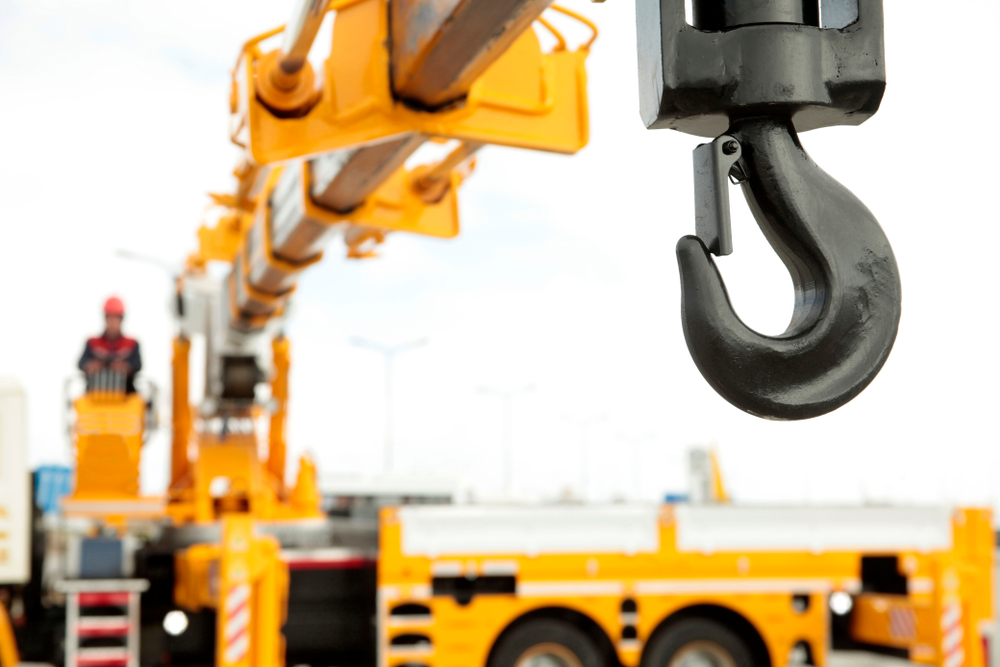
Construction projects across Miami-Dade County often run on tight schedules, especially when heavy lifting is involved. Whether work is taking place near Downtown Miami, Brickell, Doral, Hialeah, Miami Beach, or along major corridors like I-95 and the Dolphin Expressway, even a small oversight can create costly delays when a crane is scheduled for a lift.
Common crane project delays are often preventable. Understanding the most frequent planning mistakes can help contractors, project managers, and crane operators keep work moving safely and efficiently.
Poor site preparation, inaccurate load calculations, and scheduling conflicts are among the most common mistakes that delay crane operations in Miami. Successful crane project planning requires clear communication, accurate lift information, proper construction site preparation, and coordination between all parties involved. When these elements are addressed early, heavy lifting projects are more likely to stay on schedule and avoid costly downtime.
What Miami Contractors Should Know Before Scheduling a Lift
- Thorough construction site preparation helps prevent access issues, setup delays, and unexpected safety concerns.
- Accurate load calculations are essential for selecting the correct crane and lift configuration.
- Weather conditions in South Florida can affect lift schedules, especially during hurricane season and periods of heavy rainfall.
- Early crane project planning helps coordinate permits, deliveries, and site logistics throughout Miami-Dade County.
- Reliable crane rental services work best when project details are communicated well in advance.
Why Crane Project Delays Matter in South Florida
Crane operations in Miami involve more than simply delivering equipment to a job site. Projects often take place in dense urban environments, busy commercial districts, waterfront developments, and rapidly growing industrial areas.
Local factors such as traffic congestion, limited staging areas, permit requirements, and seasonal weather patterns can create additional challenges. A delayed lift may affect multiple trades, postpone material deliveries, and increase overall project costs.
At Epperson Cranes Inc, we regularly see how proper planning can make the difference between a smooth lift and an expensive delay. Understanding common obstacles allows project teams to prepare effectively before the crane arrives.
Common crane project delays in the Miami area are usually caused by insufficient site preparation, inaccurate lift data, scheduling conflicts, or changing job site conditions. Addressing these issues before mobilization helps improve safety and efficiency.
Construction Challenges Across Miami-Dade County
- Downtown projects often have limited space for crane setup and staging.
- Waterfront developments may require additional planning due to wind exposure and restricted access.
- Industrial sites near Medley and Doral frequently involve oversized equipment and complex lift requirements.
- Seasonal storms can affect ground conditions and visibility.
- High-traffic corridors may require careful coordination for deliveries and crane mobilization.
- Local permitting requirements can impact scheduling if documentation is incomplete.
- Large commercial developments often depend on multiple subcontractors working from the same timeline.
If your project involves significant lifting requirements, understanding these local conditions can help reduce avoidable delays.
Local Data and Industry Observations
Construction activity throughout Miami-Dade County continues to create demand for cranes across residential, commercial, industrial, and infrastructure projects. According to Miami-Dade County permitting and development activity, large-scale construction remains active throughout the region, increasing the need for coordinated lift scheduling and site logistics.
Field experience throughout South Florida consistently shows that projects with detailed lift plans, verified load information, and completed site preparation experience fewer disruptions than projects that rely on last-minute coordination.
How Delays Impact Construction Projects
Crane project delays can affect budgets, timelines, and site productivity. When a scheduled lift is postponed, crews may remain idle, material deliveries may need to be rescheduled, and subsequent trades may be unable to begin their work.
In areas such as Brickell, Wynwood, and Edgewater, where construction schedules are tightly managed, even a single missed lift window can create ripple effects across an entire project timeline.
For heavy lifting projects involving structural steel, HVAC units, precast components, or industrial equipment, delays can quickly become expensive.
Expert Commentary
Proper crane project planning begins long before the crane arrives on site. We recommend reviewing lift requirements early, verifying load information, and conducting a thorough site assessment before scheduling equipment.
One of the most common misconceptions is that any available crane can perform any lift. In reality, crane selection depends on multiple factors, including load weight, lift radius, site access, ground conditions, and surrounding obstacles.
We also find that communication between contractors, suppliers, and crane operators plays a major role in avoiding scheduling issues.
Warning Signs That a Crane Project May Face Delays
Crane project delays are often predictable when warning signs appear during planning stages. Recognizing these issues early can help avoid disruptions.
Common warning signs include:
- Load weights have not been verified.
- Lift drawings are incomplete or unavailable.
- Site access routes have not been inspected.
- Ground conditions remain unknown.
- Material delivery schedules are uncertain.
- Permits or approvals are still pending.
- Multiple subcontractors are working from conflicting schedules.
- Weather contingencies have not been discussed.
Ignoring these warning signs can increase the risk of delays, safety concerns, and unexpected project costs.
When to Call a Crane Professional
Professional crane assistance should be sought whenever lift requirements are unclear, site conditions are complex, or equipment selection is uncertain. Experienced crane providers can help identify issues before they affect project timelines.
While project managers can monitor scheduling and site readiness, crane professionals should evaluate lift plans, equipment requirements, and safety considerations. South Florida’s unique construction environments often require specialized planning that goes beyond basic project coordination.
Common Local Causes of Crane Project Delays
Crane project delays in the Miami region are most commonly caused by planning gaps, environmental factors, and coordination challenges.
1. Poor Site Preparation
Insufficient construction site preparation can create immediate problems on lift day. Blocked access routes, inadequate setup areas, and unstable ground conditions frequently lead to delays.
2. Inaccurate Load Calculations
Incorrect load information can require equipment changes, revised lift plans, or additional engineering review. Accurate load calculations are critical for safe and efficient operations.
3. Scheduling Conflicts
Material deliveries, subcontractor availability, and permit timing must align with crane scheduling. Miscommunication between parties often results in costly delays.
4. Weather Conditions
Heavy rain, lightning, high winds, and tropical weather systems can affect crane operations throughout South Florida.
5. Access Restrictions
Urban projects near Downtown Miami and Miami Beach often face challenges related to traffic management, limited staging space, and restricted work areas.
Preventing Lift Delays
Preventing crane project delays starts with early planning and detailed coordination. We recommend confirming lift requirements well before scheduled operations and conducting thorough site evaluations.
Helpful prevention steps include:
- Verify load weights and dimensions.
- Complete construction site preparation in advance.
- Inspect access routes before mobilization.
- Coordinate delivery schedules with lift timelines.
- Monitor weather forecasts during planning.
- Review permits and approvals early.
- Communicate updates promptly to all stakeholders.
These proactive measures can significantly improve project efficiency.
Expected Results from Proper Planning
Effective crane project planning typically results in smoother operations, fewer disruptions, and improved schedule reliability. Projects that address site conditions, load requirements, and logistics early are generally better positioned for successful execution.
Contractors can expect improved coordination, reduced downtime, and greater confidence that heavy lifting projects will proceed according to plan.
Industry Insight
Many crane-related delays occur before the lift even begins. Thorough preparation often provides greater schedule benefits than attempting to solve problems after equipment arrives on site.
Common Mistakes That Create Delays
Mistake: Assuming Site Access Is Adequate
Consequence: Equipment may be unable to reach the work area safely.
Better Approach: Conduct a site inspection and confirm access requirements before scheduling.
Mistake: Providing Estimated Load Weights
Consequence: Incorrect crane selection and potential schedule changes.
Better Approach: Verify all load calculations before planning the lift.
Mistake: Waiting Until the Last Minute
Consequence: Limited equipment availability and scheduling conflicts.
Better Approach: Schedule crane rental services as early as possible.
Mistake: Ignoring Weather Considerations
Consequence: Increased risk of delays and rescheduling.
Better Approach: Build weather contingencies into project timelines.
Mistake: Poor Communication
Consequence: Coordination failures among contractors, suppliers, and operators.
Better Approach: Maintain regular communication throughout the project lifecycle.
A Common Local Scenario
A contractor preparing for a commercial equipment installation in the Doral area schedules a crane several weeks in advance. Shortly before the lift, the team discovers that actual equipment weights differ from the original specifications.
The lift plan must be revised, requiring schedule adjustments and additional coordination. Had accurate load calculations been verified during the initial planning phase, the project could have avoided unnecessary delays and downtime.
Related Service Solutions
Crane rental services help reduce project risks by providing equipment, planning support, and operational expertise tailored to specific lift requirements.
Services that often support successful projects include:
- Crane rental services
- Lift planning assistance
- Heavy equipment lifting
- Commercial construction support
- Industrial lifting solutions
- Specialized rigging coordination
Working with experienced professionals helps ensure that equipment selection and project logistics align with operational requirements.
Comparing Your Planning Options
The best option depends on project complexity, timeline requirements, and lift conditions.
| Approach | Advantages | Limitations |
|---|---|---|
| Basic Internal Planning | Lower upfront effort | Greater risk of missed details |
| Professional Lift Planning | Improved coordination and safety review | Requires early engagement |
| Last-Minute Scheduling | Quick response for urgent needs | Reduced flexibility and availability |
| Early Crane Coordination | Better equipment selection and scheduling | Requires advance planning |
For most projects, early coordination provides the greatest opportunity to avoid delays.
Service Areas
We support construction and lifting operations throughout Miami-Dade County and surrounding communities. Our experience includes projects in Miami, Doral, Hialeah, Miami Beach, Medley, Coral Gables, Kendall, and nearby commercial and industrial areas.
Local familiarity helps us anticipate logistical challenges and support efficient lift planning throughout the region.
The Cost of Ignoring Planning Issues
Ignoring crane project planning issues can increase labor costs, extend project timelines, and create unnecessary operational disruptions. Delays may affect multiple trades and create cascading schedule impacts across the entire job site.
For large commercial and industrial projects, the cost of a missed lift can exceed the cost of proper preparation. Addressing issues early is often the most efficient path forward.
FAQ
What is the most common cause of crane project delays?
Poor site preparation is one of the most common causes of crane project delays. Access issues, inadequate setup areas, and unverified ground conditions frequently create problems on lift day.
Why are accurate load calculations important?
Accurate load calculations help determine the correct crane configuration and lifting capacity. Incorrect information can lead to schedule changes, equipment substitutions, and additional planning requirements.
How early should crane rental services be scheduled?
Crane rental services should ideally be scheduled as early as practical during project planning. Early scheduling improves equipment availability and allows time for site assessments and coordination.
Can weather delay crane operations in Miami?
Yes. High winds, lightning, heavy rainfall, and tropical weather systems can affect crane safety and scheduling throughout South Florida.
What should be included in construction site preparation?
Construction site preparation should include access verification, ground condition assessment, equipment staging areas, safety reviews, and coordination with other project activities.
How can contractors avoid scheduling conflicts?
Contractors can reduce scheduling conflicts through proactive communication, coordinated delivery timelines, and early confirmation of project milestones.
Are permits sometimes responsible for delays?
Yes. Missing documentation or delayed approvals can affect crane scheduling and project timelines, depending on the scope of work and local requirements.
What types of projects benefit from professional lift planning?
Commercial construction, industrial installations, infrastructure work, and other heavy lifting projects often benefit from professional planning and coordination.
Construction projects throughout Miami depend on careful coordination and reliable lift execution. Understanding the common mistakes that delay crane operations can help contractors and project managers keep projects moving safely and efficiently.
Keep Your Lift Schedule on Track
Proper planning today can help prevent costly delays tomorrow. Our team understands the challenges involved in crane project planning, construction site preparation, and heavy lifting projects throughout Miami-Dade County.