

Crane Safety Best Practices for Miami Construction Sites
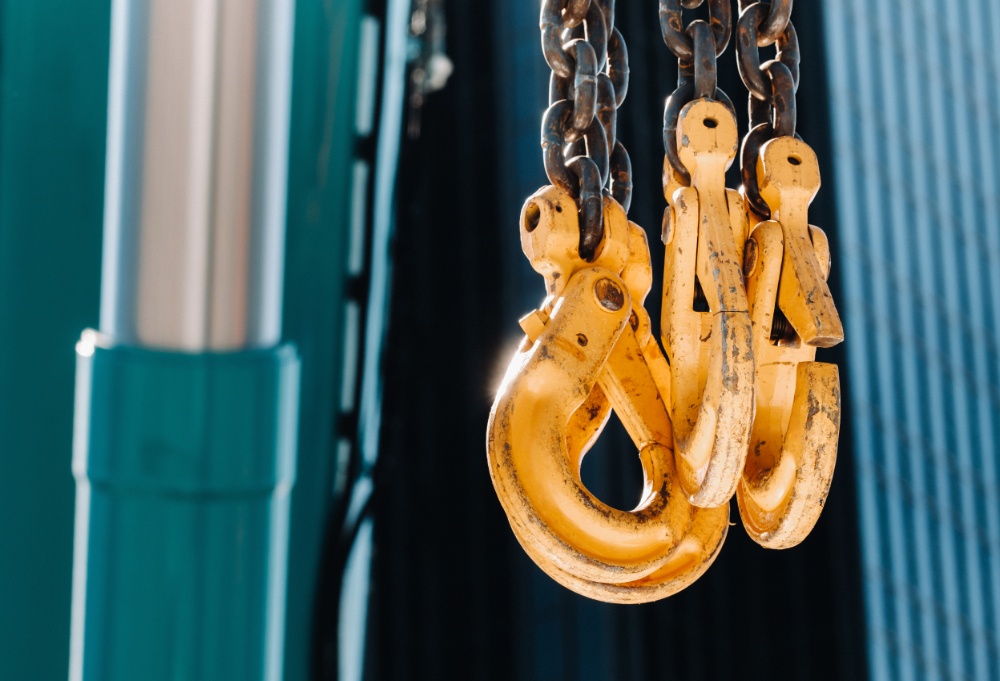
Miami’s construction industry is booming. From luxury high-rises along Brickell Avenue to sprawling commercial developments in Doral and mixed-use projects reshaping the Wynwood Arts District, cranes are a constant presence on the city’s skyline. With this growth comes serious responsibility. Operating heavy lifting equipment in a dense urban environment like Miami requires strict adherence to safety protocols, not just to comply with regulations, but to protect workers, bystanders, and the surrounding infrastructure.
Whether you are managing a project that depends on crane rentals or overseeing a long-term build, understanding Miami-specific safety best practices is essential.
1. Understanding Miami’s Unique Environmental Challenges
Miami presents a set of environmental conditions that make crane operations more complex than in many other parts of the country. The city sits in a subtropical climate zone, which means high humidity, intense heat, and a hurricane season that runs from June through November. Each of these factors introduces risks that must be carefully managed.
Wind is perhaps the most critical concern. Miami is no stranger to sudden gusts and tropical storm conditions, even outside of peak hurricane months. The American National Standards Institute (ANSI) and the Occupational Safety and Health Administration (OSHA) both provide wind speed thresholds for safe crane operations, and project managers in Miami must treat these guidelines as minimums, not suggestions. Daily weather monitoring is non-negotiable, and crane operators should have a clear, documented protocol for suspending lifts when wind speeds approach unsafe levels.
Heat is another factor that deserves serious attention. Operating heavy equipment in extreme heat puts operators at risk of fatigue and heat-related illness, both of which can impair judgment and reaction time. Scheduling the most demanding crane operations during cooler morning hours, providing shaded rest areas, and ensuring proper hydration are all practices that support safer outcomes on Miami job sites.
Finally, Miami’s soil conditions and proximity to the water table create unique ground stability challenges. Before positioning any crane, a thorough geotechnical assessment of the site should be completed to confirm that the ground can bear the load. Poor soil compaction or underground voids can lead to crane tip-overs, which are among the most catastrophic accidents in construction.
2. Pre-Operation Inspections and Equipment Standards
No crane should be put into service without a comprehensive pre-operation inspection. This applies whether the equipment is owned outright or sourced through crane rentals. In fact, when renting, the responsibility for verifying equipment condition is shared between the rental provider and the contractor, and both parties should take this obligation seriously.
A proper pre-operation inspection covers the structural components of the crane, including the boom, mast, and jib, as well as all load-bearing hardware such as hooks, wire ropes, and sheaves. Hydraulic systems, brakes, and limit switches must all be checked and documented. Any equipment showing signs of wear, corrosion, or mechanical failure should be removed from service immediately.
In Miami, where salt air accelerates corrosion on metal components, equipment condition checks need to be more frequent than in inland locations. Rental providers operating in South Florida should be maintaining their fleets with this reality in mind, and contractors should ask pointed questions about maintenance schedules and inspection histories before agreeing to any crane rentals.
Beyond individual component checks, operators should verify that the crane’s load charts are accessible and in good condition. Load charts must match the specific configuration of the crane as it is set up on the job site. Using incorrect load charts is a common contributor to overloading incidents, which can have fatal consequences.
3. Operator Certification and Crew Training Requirements
Crane safety is only as strong as the people operating and supporting the equipment. In Florida, crane operators are required to be certified through a program accredited by the National Commission for the Certifying of Crane Operators (NCCCO) or a comparable accrediting body. This certification requirement applies to all tower cranes and most mobile cranes used on construction sites.
Beyond the operator, the entire lift crew requires proper training. Signal persons, riggers, and spotters all play critical roles in safe crane operations, and miscommunication between any of these team members can lead to serious accidents. Hand signals and radio communication protocols should be established and rehearsed before any lift begins.
Supervisors and site managers should also be familiar with OSHA 1926 Subpart CC, which governs crane and derrick operations in construction. Understanding these regulations helps managers recognize unsafe conditions, respond appropriately to equipment issues, and ensure that their teams are operating within the law.
Regular safety briefings and toolbox talks are a straightforward way to keep crane safety top of mind on busy job sites. Miami construction projects often involve large, rotating crews, and consistent training reinforces the culture of safety that reduces accidents over time.
4. Lift Planning and Load Management
A successful crane lift does not happen by accident. It is the result of careful planning, clear communication, and a thorough understanding of the physics involved. For complex lifts, a formal lift plan should be developed and reviewed by qualified personnel before any rigging is attached.
A lift plan accounts for the weight and dimensions of the load, the crane’s capacity at the required radius, the path of travel for the load, nearby structures or power lines, and the qualifications of the crew performing the lift. In Miami’s dense urban environment, proximity to existing buildings, roadways, and utilities makes lift path planning especially important.
One area that is frequently underestimated is the impact of outrigger placement. Mobile cranes rely on outriggers to distribute their load and maintain stability during lifts. Outriggers must be fully extended and positioned on solid, level ground. On Miami job sites, where construction is often happening in close proximity to streets, sidewalks, and existing structures, finding suitable outrigger positions can require creative site management and coordination with local authorities.
Contractors who rely on crane rentals should work closely with their rental provider during the planning phase. Experienced rental companies can offer guidance on equipment selection, configuration, and positioning that directly improves lift safety and efficiency.
5. Compliance with Local Permits and OSHA Regulations
Operating a crane in Miami is not just a matter of equipment and skill. It also involves navigating a regulatory environment that includes local permitting requirements, OSHA standards, and Florida-specific construction laws.
The City of Miami and Miami-Dade County both have permitting processes that apply to crane operations, particularly for tower cranes and long-term installations. These permits exist to protect the public and ensure that crane placements are coordinated with utilities, traffic management, and emergency services. Failing to obtain the proper permits can result in stop-work orders, fines, and serious legal liability.
OSHA inspections on Miami construction sites are not uncommon, particularly on larger commercial and residential projects. OSHA’s standards for crane operations are detailed and far-reaching, covering everything from operator certification and equipment inspection to assembly procedures and power line safety. Project managers should conduct regular internal audits to confirm ongoing compliance.
When sourcing crane rentals, choosing a provider that understands the local regulatory landscape is a significant advantage. A knowledgeable rental partner can help ensure that the equipment delivered meets all applicable standards and that the necessary documentation is in order before the crane is ever set up on site.
Conclusion
Crane safety in Miami requires a proactive, multi-layered approach. The city’s climate, soil conditions, dense urban layout, and active regulatory environment all demand a higher level of diligence from contractors, operators, and rental providers alike. By prioritizing pre-operation inspections, investing in crew training, planning every lift carefully, and staying current with permits and OSHA requirements, Miami construction teams can complete their projects efficiently while keeping everyone on and around the job site safe. For projects that depend on crane rentals, partnering with a reputable and experienced provider is one of the most important decisions a project manager can make.
Need a Crane Rental Service Near You?
Here at Epperson Cranes Inc., we’re more than just a crane service—we’re your trusted partner in construction. With over 67 years of family-owned expertise, a steadfast commitment to safety, and a focus on customer satisfaction, we’re here to lift your project to new heights. Whether you need reliable equipment for routine construction or rapid response for an emergency, our team is available 24/7 with cranes ranging from 20 to 100 tons, rigging, hauling, and more. Contact us today for a free estimate or consultation and experience the Epperson difference. Your project deserves the best, and we’re ready to deliver!