

Preparing Your Miami Jobsite for a Crane Rental: A Contractor’s Checklist
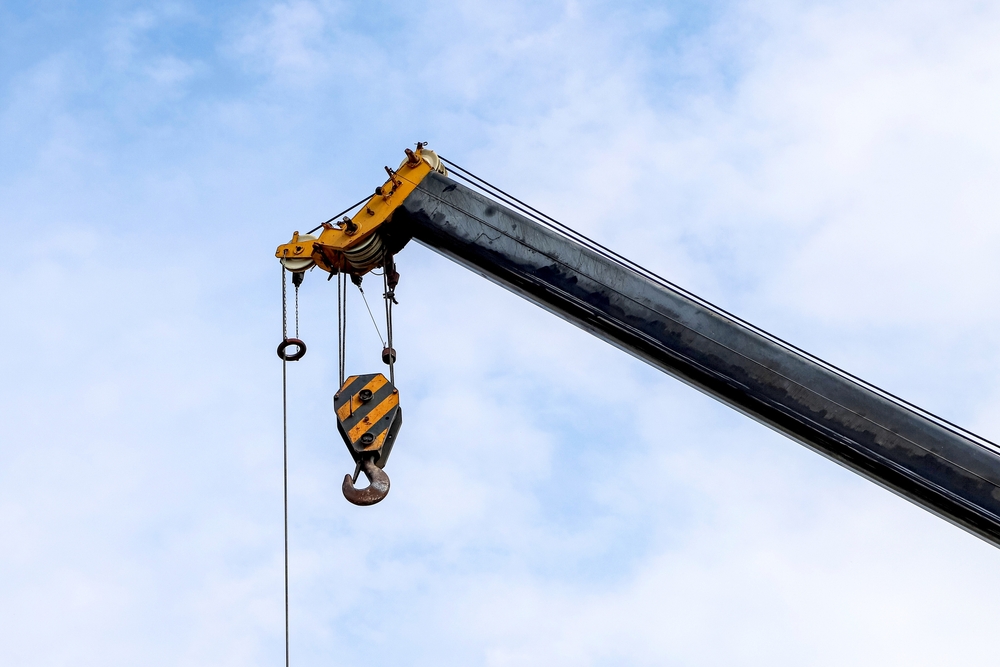
Crane rentals are an essential part of many construction projects, particularly in dense urban environments like Miami, FL. Whether you are lifting steel beams, HVAC units, or other heavy materials, having a crane on your jobsite can significantly improve efficiency and safety. However, bringing a crane to your site involves more than just making a phone call. Proper jobsite preparation for crane rental is crucial to ensure a smooth and safe operation from delivery to demobilization. Contractors in South Florida need a well-structured approach to make the most out of their rental and minimize delays, costs, and risks.
In this guide, we’ll walk through how to prepare for crane delivery, key elements of a contractor crane rental checklist, and what specific considerations apply to the unique conditions in Miami construction.
Understanding Jobsite Requirements and Load Needs
Before you even call a crane rental company, it’s important to assess the physical and logistical characteristics of your jobsite. Miami construction zones are often compact, and traffic congestion adds another layer of complexity. Identifying the exact space where the crane will operate is critical. Consider obstacles like power lines, uneven ground, underground utilities, and proximity to adjacent buildings. These can all influence the type of crane needed and how it will be delivered and erected.
Load requirements also play a major role in crane selection. You should calculate the weight of the heaviest item that needs to be lifted, the height to which it must be raised, and the radius of the lift. All of these factors determine the size and type of crane that is suitable for your project. A reputable crane rental provider in Miami, FL, will ask for these details to recommend the right machine, but having them ready in advance makes the process faster and more accurate.
Additionally, environmental factors such as wind conditions and ground bearing capacity should be factored into the preparation phase. South Florida’s coastal weather can change rapidly, and understanding the limitations of your site helps avoid dangerous situations during crane operation.
Coordinating Permits and Legal Requirements
One of the most overlooked aspects of jobsite preparation for crane rental is the need for permits and regulatory compliance. Miami-Dade County has specific requirements for cranes, especially when operating in proximity to public roads or when the crane’s boom or load may encroach on adjacent properties.
As a contractor, you are responsible for coordinating with local municipalities to secure street closure permits, if needed, and for verifying that your crane rental company is fully licensed and insured. If your crane needs to be set up on a sidewalk or street, you may also need a traffic control plan reviewed and approved by the city.
In high-rise zones near Miami Beach or Downtown, there may be additional regulations due to the potential impact on nearby structures and airspace. You must check FAA guidelines if the crane will exceed a certain height, especially near flight paths or airports.
Part of the contractor crane rental checklist should also include documentation of OSHA compliance and safety training for your team. Not only does this protect your workforce, but it also demonstrates due diligence in the case of an accident or inspection.
Scheduling Crane Delivery and Lift Day Operations
Timing is everything when it comes to crane rental logistics. A well-organized delivery schedule can save hours or even days of lost productivity. Once your site is ready, and the correct permits are in place, you’ll need to coordinate the delivery of the crane with your construction timeline. Consider the space needed for unloading and assembly, particularly if you’re dealing with a large tower or mobile crane.
In the tight quarters of Miami construction zones, delivery vehicles may require specific routing to avoid low overpasses, traffic restrictions, or residential zones. Communication with local authorities and your crane rental provider is key to avoiding delays on delivery day.
Additionally, all crew members involved in the lift should be briefed in advance. Holding a safety meeting or toolbox talk before the crane arrives ensures that everyone understands their roles and the potential hazards. Have rigging equipment inspected and available on-site, and make sure signal persons and riggers are certified and experienced.
Clear the staging area of any unnecessary materials or equipment and ensure that the surface is suitable to support the crane’s outriggers or tracks. For larger lifts, especially those using all-terrain or crawler cranes, you may need to install crane mats or steel plates to provide adequate ground support.
Ensuring Site Access and Communication Protocols
Getting a crane to your jobsite isn’t just about having enough space; it’s also about making sure the crew and machinery can safely reach the lift area. In Miami, FL, access can be limited by narrow roads, limited alleyways, or restrictions due to nearby businesses or residential buildings. Contractors must think ahead and plan access routes not just for the crane but for support vehicles, materials, and emergency services.
A clear and accessible path must be established and maintained throughout the crane’s presence on-site. If temporary fencing, signage, or pedestrian rerouting is necessary, arrange for these before the crane arrives.
Communication is another pillar of successful crane operation. Two-way radios, hand signal charts, or visual cues must be standardized and understood by all workers involved in the lift. On busy Miami construction sites, noise and distractions are common, making reliable communication even more important for safe crane operation.
Designate a lift director or site foreman to oversee the operation, and ensure that only authorized personnel are allowed in the active lifting zone. This level of control is especially important in urban environments where pedestrian traffic and vehicular movement can interfere with operations.
Post-Lift Demobilization and Site Restoration
Once your lifting tasks are completed, it’s easy to overlook the importance of proper demobilization. However, removing a crane from the site should be approached with the same care and preparation as its delivery. Disassembly, load-out, and site restoration are integral parts of the contractor crane rental checklist.
Notify your crane provider in advance about the anticipated takedown schedule. Depending on the type of crane used, dismantling can take several hours to a full day, and may require additional equipment or permits for transport. Ensure that any temporary structures, such as barricades or traffic redirection signs, are safely removed once the crane is gone.
Inspect the jobsite for damage caused during setup or lifting. Crushed asphalt, displaced soil, or scuffed surfaces are common after crane use, especially if adequate ground protection wasn’t implemented. Addressing these issues promptly prevents project delays and demonstrates a commitment to professionalism.
It’s also beneficial to hold a debrief session with your team. Evaluate what went well, what could be improved, and how to better prepare for future crane rentals in Miami, FL. Lessons learned from one project can often streamline the next, making your operations more efficient and cost-effective.
Conclusion
Preparing your jobsite for a crane rental in Miami involves a multifaceted approach that includes technical assessments, legal compliance, logistical coordination, and team communication. With the high stakes and fast pace of South Florida construction, taking shortcuts in preparation can lead to delays, safety issues, or costly penalties.
By following a comprehensive contractor crane rental checklist, you ensure that your equipment arrives on time, operates efficiently, and contributes to the overall success of your project. From assessing site conditions and securing permits to scheduling crane delivery and managing lift operations, every step plays a critical role in the process.
If you’re wondering how to prepare for crane delivery in a complex city like Miami, the key lies in planning ahead, collaborating with experienced partners, and never underestimating the importance of preparation. With the right groundwork in place, you’ll not only meet your construction goals but also build a reputation for safety and reliability on every jobsite.
Need a Crane Rental Service Near You?
Here at Epperson Cranes Inc., we’re more than just a crane service—we’re your trusted partner in construction. With over 67 years of family-owned expertise, a steadfast commitment to safety, and a focus on customer satisfaction, we’re here to lift your project to new heights. Whether you need reliable equipment for routine construction or rapid response for an emergency, our team is available 24/7 with cranes ranging from 20 to 100 tons, rigging, hauling, and more. Contact us today for a free estimate or consultation and experience the Epperson difference. Your project deserves the best, and we’re ready to deliver!